Tongyuan Electronic Co., Ltd.
Blog

Blog

Home

Blog

  • How the Sunrise Simulating Wake-Up Light Can Help You Start Your Day Right
    How the Sunrise Simulating Wake-Up Light Can Help You Start Your Day Right
    Sep 23, 2025
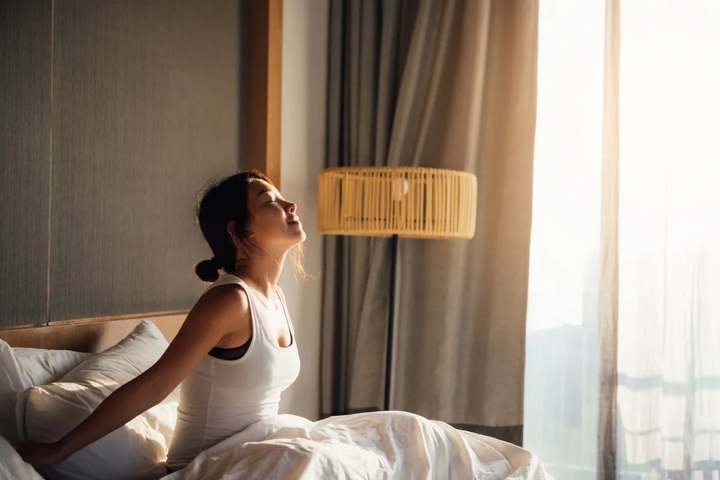
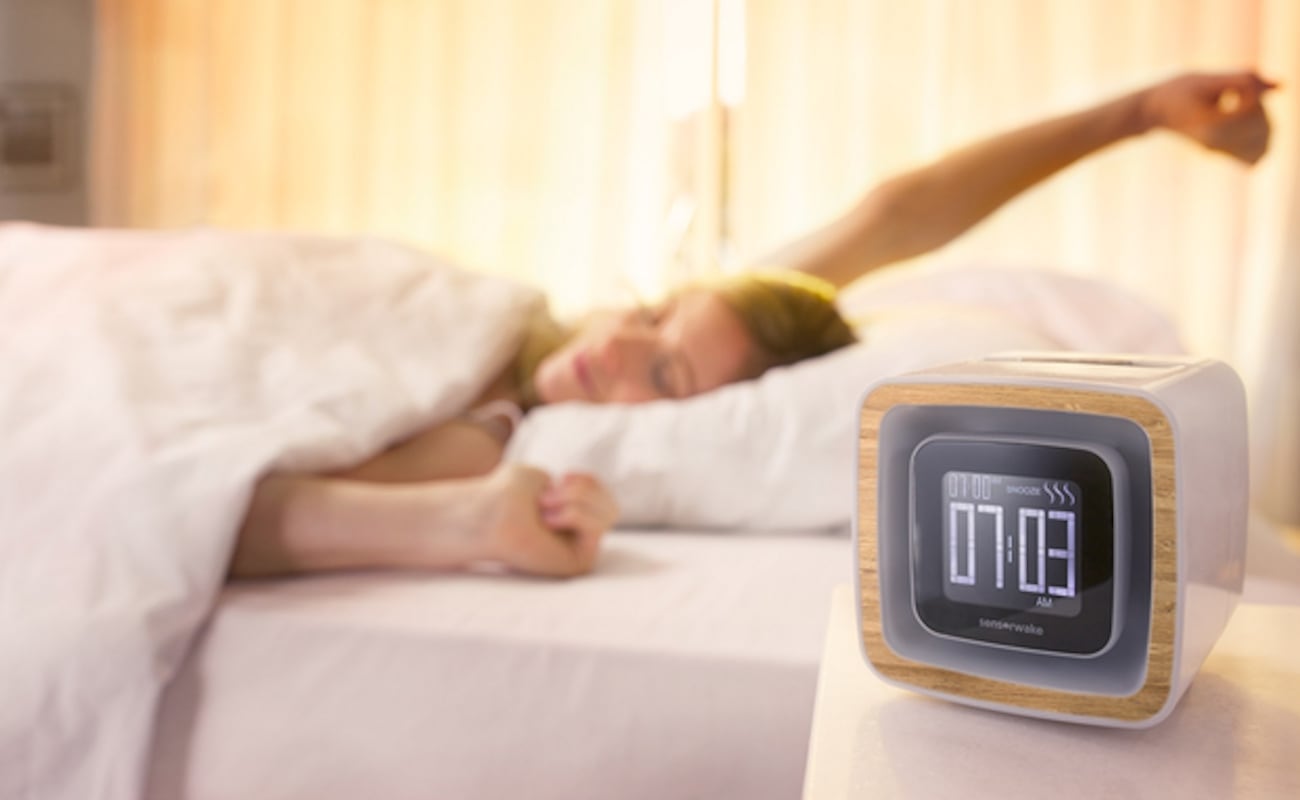
      Waking up early in the morning can be a real struggle for many people. It's often difficult to rise from a cozy bed, especially during the darker winter months when the days are shorter. The traditional method of using an alarm clock can often lead to feelings of grogginess, and irritability and can make it difficult to start the day off on the right foot. However, there is a solution to this problem: the sunrise-simulating wake-up light. A sunrise-simulating wake-up light is a unique device that simulates a natural sunrise, gradually increasing light in the room to mimic the sun rising in the morning. This method of waking up is much gentler on the body and helps to regulate the circadian rhythm, making it easier to wake up feeling refreshed and alert. In this blog post, we will discuss the many benefits of using a sunrise-simulating wake-up light and how it can help you start your day off on the right foot. We will also provide tips for using the device and factors to consider when choosing the right model for your needs. So, let's explore the benefits of using a sunrise-simulating wake-up light and how it can revolutionize the way you wake up in the morning.   What is a Sunrise Simulating Wake-Up Light?   A sunrise-simulating wake-up light is a device that mimics a natural sunrise by gradually increasing the amount of light in the room. The device usually includes a lamp that emits a soft light, which becomes brighter and brighter over a predetermined period of time, usually around 30 minutes. The light intensity gradually reaches its peak, simulating the sun rising and providing the body with the signal to start waking up. Sunrise-simulating wake-up lights often include sound options such as nature sounds, birdsong or gentle music, which also gradually increase in volume over the same period of time. This creates a gentle and natural wake-up experience that is much less jarring than traditional alarm clocks, which can wake you up suddenly and forcefully. The concept of the sunrise simulating wake-up light is based on the natural circadian rhythm of the body. The circadian rhythm is the body's internal biological clock that regulates various bodily functions, including sleep-wake cycles. Exposure to natural light, particularly in the morning, helps to regulate the circadian rhythm, promoting better sleep quality and improved overall well-being. Using a sunrise-simulating wake-up light can help you wake up feeling more refreshed and alert, with less grogginess and irritability. Additionally, studies have shown that sunrise-simulating wake-up lights can be particularly beneficial for people with Seasonal Affective Disorder (SAD), a type of depression that occurs during the darker winter months when there is less natural light.   Benefits of Using a Sunrise Simulating Wake-Up Light   Improved Mood: Waking up to a sunrise simulating wake-up light can help improve your mood and energy levels, as it provides a natural and gentle way to start your day. The gradual increase in light intensity helps to regulate your circadian rhythm, which in turn, can help regulate your mood. Better Sleep Quality: The gentle wake-up experience provided by a sunrise-simulating wake-up light can also help improve your sleep quality. By waking up more naturally, your body is less likely to be jolted awake, which can disrupt your sleep cycle and lead to feeling groggy throughout the day. Increased Productivity: Studies have shown that people who wake up feeling rested and alert are more productive throughout the day. Using a sunrise-simulating wake-up light can help you wake up feeling refreshed and ready to take on the day ahead. Beneficial for Seasonal Affective Disorder (SAD): As mentioned earlier, sunrise-simulating wake-up lights can be particularly beneficial for people with SAD, a type of depression that occurs during the darker winter months when there is less natural light. Using a sunrise-simulating wake-up light can help regulate the body's circadian rhythm and improve mood, reducing the symptoms of SAD. Natural Wake-Up Experience: A sunrise-simulating wake-up light provides a natural and gentle wake-up experience, which is much less jarring than traditional alarm clocks. By gradually increasing light and sound, the body is able to wake up more naturally, resulting in feeling more refreshed and alert throughout the day.   How to Use a Sunrise-Simulating Wake-Up Light   Select the Best Model: Choosing the best model for your needs is the first step in employing a sunrise-imitating wake-up light. Think about things like the device's size, light brightness, and any other features like sound selections. Set the Time: After deciding on your device, adjust the time to the appropriate time zone. By doing this, the sunrise simulation will start at the appropriate hour in the morning. Set the Alarm: Next, set the alarm for the time you want to wake up. Multiple alarm settings are available on many models, which is helpful if you have varying wake-up times throughout the week. Choose Sound Options: Some models include sound options such as nature sounds, birdsong, or gentle music. Choose the sound option that works best for you. Adjust the Light Intensity: Most models allow you to adjust the intensity of the light. Start with a lower intensity and gradually increase the brightness over a period of 30 minutes. Use Consistently: To get the most out of your sunrise-simulating wake-up light, use it consistently. Set a routine and use the device every day, even on weekends.   Factors to Consider When Choosing a Sunrise Simulating Wake-Up Light   Size and Design: The size and design of the sunrise-simulating wake-up light are important factors to consider. The device should be small enough to fit on your bedside table, but large enough to provide adequate light. Additionally, choose a design that suits your personal style and fits in with your bedroom decor. Light Intensity: Different models of sunrise-simulating wake-up lights offer different levels of light intensity. Consider how much light you need to wake up comfortably and choose a device that offers adjustable brightness levels. Sound Options: Some models come with built-in sound options, such as nature sounds or gentle music. If you prefer to wake up to sound rather than light, choose a model with sound options that suit your preferences. Additional Features: Some models offer additional features such as a snooze button, FM radio, or USB charging port. Consider which additional features are important to you and choose a model that offers those features. Price: Sunrise-simulating wake-up lights can vary in price depending on their features and quality. Consider your budget and choose a device that offers the features you need at a price point that works for you. Brand Reputation: Finally, consider the brand reputation of the sunrise-simulating wake-up light you are considering. Read reviews and do research to ensure that the device is reliable and will last for a long time.   In conclusion, a sunrise-simulating wake-up light is a fantastic tool to improve the quality of your sleep and wake-up routine. By simulating a natural sunrise, these devices provide a gentle and gradual wake-up experience that helps regulate your circadian rhythm and improve your overall mood and energy levels throughout the day. When choosing a sunrise-simulating wake-up light, consider factors such as the size and design of the device, light intensity, sound options, additional features, price, and brand reputation. By carefully considering these factors, you can select a device that meets your specific needs and preferences. Remember to use your sunrise-simulating wake-up light consistently and in conjunction with a regular sleep schedule for the best results. With the right device and routine, you can transform your mornings into a refreshing and revitalizing experience.
    Hot Tags : alarm clock
    Read More
  • Still Waking Up to an Alarm? Here's Why You Should Use Light Instead
    Still Waking Up to an Alarm? Here's Why You Should Use Light Instead
    Sep 23, 2025
    Light plays a key role in regulating our sleep-wake cycle and can help ease you into waking up. Most of us know it all too well -- that painful feeling when the alarm goes off long before you're ready to wake up. No matter how many times you hit snooze, it jars you half-awake again -- no less groggy and just a little more irritated.  This harsh routine never gets any easier because it works against the human body's natural way of waking up. Our lifestyles may be less reliant on natural light than at any other time in history, but our bodies are still stubbornly dependent on it.  Since the time chance, have you noticed yourself feeling ready for bed earlier? There's a reason for that. Like it or not, light and darkness play an important role in our sleep-wake cycles. This means you can use light in the morning to help you wake up more easily. Let's look at how light interacts with your body (it can even be therapeutic!) and how you can use real and simulated natural light to ease into your day.   How to wake up to light Before you use the sun for morning light therapy, you can take a few steps to use sunlight (and some artificial help) to boost your chances of waking up naturally without a normal alarm. Here are a few steps you can take to rely on light in the morning: Leave your curtains open to let light in as the sun rises. As tempting as those blackout curtains may be, they can interfere with your body's natural rhythms. Unless you need them so you can work the night shift, leave your curtains open and let the rising sun work its magic on your brain.   Use a sunrise alarm clock to mimic natural light. Not all alarm clocks rely on the traditional loud, irritating sounds to get you out of bed. Sunrise alarms simulate natural daylight, give you a similar effect to sunlight in the morning and stir up that morning serotonin boost. These can be especially helpful if you have to wake up before sunrise. theLumie Bodyclock Shine 300, the Casper Glow Light and the Phillips Smartsleep Wakeup Light are a few great options.   Go outside in the early morning sun for 30-45 minutes within an hour of waking up. We covered this point above, but we'll reemphasize it here. Remember, no sunglasses, no windows and no visors. Just unfiltered sunlight. Even when it's cloudy, you'll still get the benefits of morning sunlight. How to get more light exposure during your day Daylight is so important for your body's internal sleep clock, not to mention your mental health. That's why it's important to find ways to make sure it's part of your routine. Plan for those morning walks or a quiet morning on the patio. Open the shades and let plenty of natural light into the home in the morning. If it's difficult to do this or you rise well before the sun, you can try a light box. These are most effective for 20-30 minutes and with around 10,000 lux of bright light. Before you use a light box, however, be sure to discuss it with your doctor. A good night's rest will always make it easier to wake up, but that good rest starts long before you hit the pillow at night. Exposure to sunlight and artificial forms of daylight, especially in the morning, can establish healthy rhythms and set your body up to wake up naturally and gently each day. The link between light and your circadian rhythm Like most other living creatures, we humans have a built-in clock that regulates our sleep-wake cycles. This biological clock is tied to circadian rhythms, which are various physical, mental and behavioral changes that occur based on the cycle of night and day. That means your body responds differently depending on the time of day, particularly after you wake up and before you usually go to bed. Studies show that our brains are most sensitive to light from about 2 hours before we usually go to sleep until about an hour after we wake. Later in the day, when it's dark outside, your body produces more melatonin, which is a hormone that helps regulate your sleep cycles. When melatonin production increases, your body naturally transitions into a resting state. During the day, your body suppresses melatonin production. Overnight, when light exposure is minimal, melatonin production can increase by as much as three to 10 times its daytime amount. Exposure to light during the nighttime, especially when you normally sleep, can block melatonin production and make it more difficult for you to fall or stay asleep. It can also disrupt your sleep cycles, limiting your time in deep sleep, which is critical for restoring your body and mind.   How sunlight affects your brain Although these circadian rhythms are affected by various aspects of our daily behavior and patterns, nothing is more important than light. For most of human history, our bodies have relied on the simple rhythm of waking up to sunlight and sleeping in the dark. Even when your eyes are closed, the photoreceptors in your retina can sense the presence of sunlight, which triggers your brain to begin waking up. Melatonin production decreases, and your body begins boosting its production of other hormones, particularly serotonin and cortisol. These hormones are linked to important aspects of our waking routines, such as mood and alertness. Our brains are so dependent on sunlight that a lack of exposure can disrupt our sleep cycles and cause mental health problems such as depression and other mood disorders. During winter, about 5% of adults in the US experience increases in these problems, an issue known as seasonal affective disorder.   The benefits of light therapy Because of the important relationship between light and our brains, scientists have experimented with various ways to use sunlight and artificial light to treat certain mental health conditions. This practice, known as light therapy, is still relatively new, and many of its benefits are still being studied. Treatment times vary based on the person and condition, but light therapy sessions usually consist of around 30 minutes of direct light exposure. Depending on the issue, some people may benefit from full-spectrum sunlight (or an artificial equivalent) or targeted exposure to certain parts of the light spectrum. For instance, green light may help treat migraines, while some evidence shows that red light might be useful for treating wounds.  Broadly speaking, light therapy may help patients who suffer from: Seasonal affective disorder Depression Sleep disorders Jet lag Dementia These benefits of light therapy are promising. However, as with any type of treatment, it's a good idea to talk to your doctor before you begin. Light therapy may not work well if you have vision-related conditions, suffer from light sensitivity or bipolar disorder or take certain medications.   Morning light therapy As mentioned above, our bodies are most sensitive to light from about 2 hours before bedtime until about an hour after we wake up. Because of this natural cycle, light therapy is generally most effective when it occurs early in the morning, within that first hour after waking. Although you can use a light box to do this (more on those below), your best option for light in the morning is direct exposure to sunlight, particularly through your eyes and not through a window or sunglasses. No, this doesn't mean you should stare at the sun. Simply go for a walk or sit on your porch to soak up the sun's rays. Going outside for 30 to 45 minutes to take in some unfiltered sunlight in the morning can help your body wake up and establish better, more consistent sleep-wake cycles.  
    Hot Tags : sunrise alarm clock
    Read More
  • Best Scents for Waking Up
    Best Scents for Waking Up
    Sep 23, 2025
      If you struggle to stay alert throughout the day, you might wake yourself up with a cup of coffee or a walk around the block. However, many people don’t know that the right scents can be just as effective for getting over the afternoon slump.  Using scents to improve your health or mood is known as aromatherapy. Aromatherapy is the practice of smelling essential oils derived from plants. In aromatherapy, the scents are typically sprayed on a pillow, added to a diffuser, placed in a bath or shower, or sprayed around the room. Which Scents Should You Try? If you’re looking to use aromatherapy in your routine, it’s important to know that not all scents will boost your energy or improve your mood. For example, lavender is well known for its calming effects. If you’re looking for a new way to wake up, the best scents for alertness include:‌ Citrus: Beyond their appealing fragrance, citrus scents can fight sleepiness. While there are many citrus essential oils, the most effective scents for waking up are lemon and sweet orange.‌ Studies show that sweet orange scents can help lower stress and improve mood when inhaled. Similarly, lemon scent was shown to enhance creativity. Ways to enjoy these refreshing scents include diffusing it into the room or using oil designed to be rolled onto the wrist or neck.‌ Coffee. While it may seem obvious, coffee is one of the most potent scents for waking up. The health benefits of drinking coffee are promising, but studies show that smelling coffee’s fragrance might offer the same lift in energy without the crash many feel after drinking a cup of coffee. ‌ Eucalyptus. Eucalyptus is a popular scent in aromatherapy practice. Eucalyptus has been shown to have anti-inflammatory, antioxidative, and anti-bacterial properties, and studies also show that eucalyptus may help get rid of headaches while helping you wake up. Ginger. Used traditionally throughout the generations, ginger has been shown to help soothe nausea. Combined with anti-inflammatory and pain-relieving properties, ginger is often used as a remedy for people who are recovering from surgery or chemotherapy. Ginger also has a refreshing scent that works well for many people, whether they’re healthy or recovering. When used as part of daily aromatherapy, ginger may help encourage a positive mood and raise your energy levels. ‌ Peppermint. Peppermint is another popular aromatherapy scent with a long history of traditional use. Mint is well-known for soothing upset stomachs and clearing congestion. Studies also show that peppermint oil can settle nausea and vomiting when the fragrance is inhaled. Beyond this, promising research shows that peppermint oil may improve alertness and memory.  Rosemary. You may be familiar with rosemary as a fragrant addition to your meal, but rosemary’s benefits reach beyond the kitchen. Studies show that rosemary can leave you feeling refreshed, providing a pick-me-up for your mood, brain activity, and nervous system. Sage. Like mint, sage is popular for its positive effects as an essential oil. Studies show that inhaling sage can create a sensation of peace and focus, making it easier to take on more tasks throughout the day with less stress. What You Should Know Before Trying New Scents Scents and essential oils used in aromatherapy may offer health benefits, but before you try new scents, note that every person has a unique reaction to essential oils. Studies have shown that some scents can lead to negative reactions in some individuals.‌ Before you introduce new scents into your routine, always start by talking to your doctor about any possible allergies.
    Read More
  • What Is White Noise?
    What Is White Noise?
    Sep 23, 2025
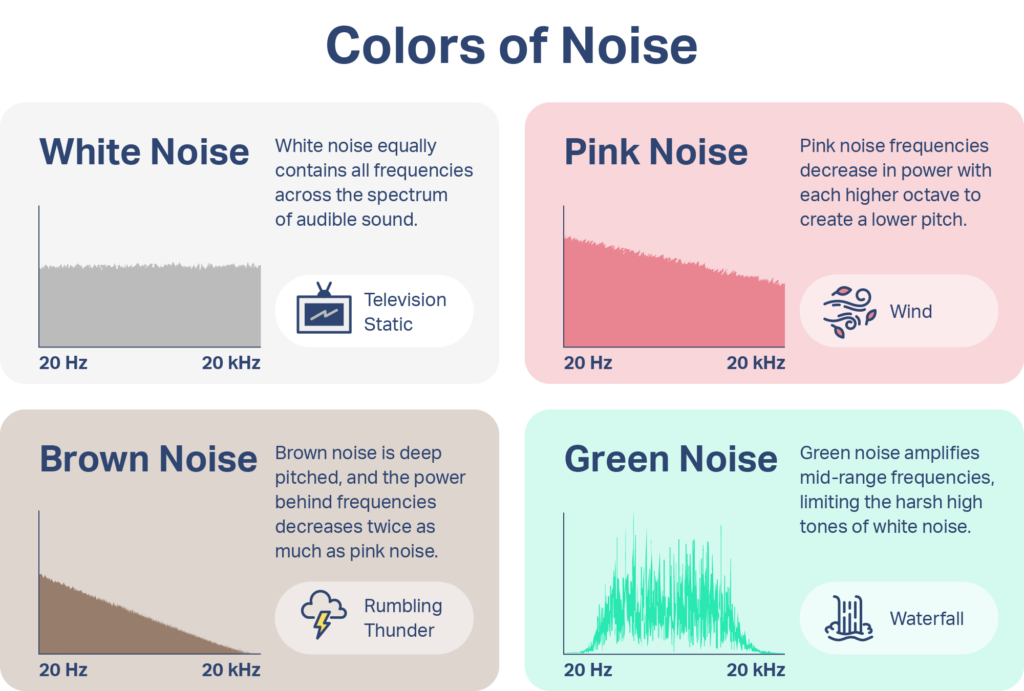
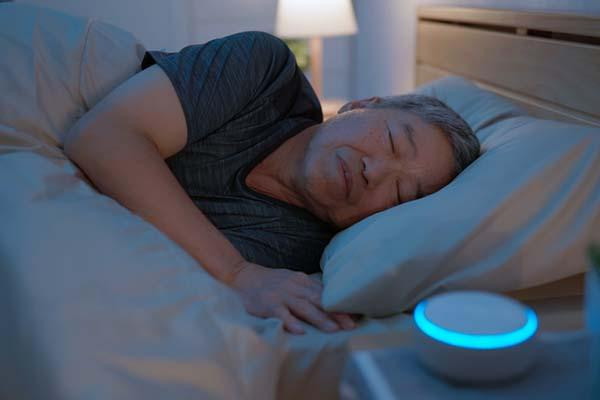
    White noise refers to a noise that contains all frequencies across the spectrum of audible sound in equal measure. Because white noise spans multiple bands of sound, it is sometimes referred to as broadband noise. Anecdotally, people often liken white noise to the static that comes from an untuned radio or television. Researchers have studied the effect of white noise on humans for many years, finding evidence it can reduce crying in infants, improve work performance, and potentially help counteract symptoms of attention-deficit/hyperactivity disorder (ADHD). Multiple studies have also examined how white noise may affect human sleep. White Noise vs. Other Colors of Noise Although white noise is the most commonly known, there are several other colors of noise. Green Noise: While white noise contains equal volumes of all the sound frequencies, green noise amplifies the frequencies in the middle of that range. Green noise sounds are perceived as similar to ocean waves or a stream. Although there is limited research that shows green noise benefitting sleep, it is a popular tool to help mask noisy environments that disrupt sleep. Pink Noise: Like white noise, pink noise is a broadband sound containing components from across the sound spectrum. Pink noise contains sounds within each octave, but the power of its frequencies decreases by three decibels with each higher octave. As a result, pink noise sounds lower pitched than white noise. Researchers have compared the sound of pink noise to the noise produced by a waterfall. Studies have found that pink noise can enhance deep sleep in older adults and improve cognitive performance.Brown Noise: Brown noise, also called red noise, contains sounds from every octave of the sound spectrum, but the power behind frequencies decreases with each octave. This decrease is twice as great as that in pink noise, resulting in a sound people perceive as deeper than either white or pink noise. In research trials, people have said brown noise reminds them of the sound of rainfall or a shower. Studies have shown brown noise might be useful in reducing symptoms experienced by people who have ringing in their ears and at improving cognitive performance, but its effect on sleep has not been widely studied. Does White Noise Help You Sleep? More research is needed to confirm whether white noise improves sleep — perhaps by synchronizing brain waves — or if the sound primarily helps by masking background noise. A recent analysis of multiple studies looking at white noise’s effect on sleep has produced mixed results. The authors call into question the quality of existing evidence and conclude that further research is necessary in order to widely recommend white noise as a sleep aid. They also note that in some instances, white noise can disturb a person’s sleep and may affect their hearing. Studies have found that listening to white noise helped newborn babies fall asleep faster and affected the amount of time adults spent in different sleep stages when played throughout the night.Another study found that adults fell asleep 38% faster while listening to white noise. Other recent studies have continued to find white noise positively affecting sleep. For example, people living in a high-noise area of New York City fell asleep faster and spent more of their time in bed asleep while listening to white noise. In another study, listening to white noise through headphones improved sleep quality for critically ill patients in a loud hospital unit.Disruptive noise during sleep can cause changes in heart rate that suggest the sleeper is experiencing semi-awakenings. Transportation sounds like cars and planes are considered a major contributor to poor sleep, with possible health ramifications. Researchers are hopeful that the steady hum of white noise might reduce a sleeper’s sensitivity to unpredictable noises from the environment. How To Choose a White Noise Machine There are many factors to consider when choosing a white noise machine. Machine or app: A white noise machine tends to be larger and more expensive, but it might come with better sound quality. A smartphone app could be more convenient while traveling, since it does not require you to bring any additional devices with you. Cost: Some white noise apps offer a free or very low-cost version. White noise machine prices vary greatly, though many options cost between $50 and $100. Sound quality: White noise machines either play a digital white noise recording or mechanically create a white noise sound. Check reviews of the white noise products you are considering to see what other customers have said about the sound quality. Volume control: Being able to control the volume of your white noise machine is essential. Check the manufacturer’s specifications for the lowest and highest available volumes to ensure the white noise machine meets your needs. Sleep timer: Most white noise machines have some type of sleep timer, but their functionality varies. Some allow the user to program in any amount of time, while others have preset blocks of time you can choose from. Other sounds: If you have never used white noise to help you sleep before, consider opting for a white noise machine or app that also has other sleep sounds, in case you find you do not enjoy falling asleep to white noise.  Setting Your White Noise Machine Volume There are no official guidelines for setting the volume of a white noise machine for sleep. That said, exposure to noise measuring 70 decibels or more – like that of city traffic – can become hazardous over time. Ringing in the ears and hearing loss are both risks of regular exposure to loud sounds.One study found that nearly 65% of infant white noise machines and apps were capable of playing sounds louder than recommended when people slept very close to the device. When determining which volume setting to use for your white noise machine, consider first moving the white noise machine to a corner of the room and keeping the noise level similar to that of a background conversation or light rustling.
    Read More
  • Can White Noise Really Help You Sleep Better?
    Can White Noise Really Help You Sleep Better?
    Sep 23, 2025
    Some people find that the neutral sound of white noise helps them sleep better. But is there evidence to support this? And what about other noise colors? What is white noise? White noise has been compared to the static from a radio that isn't tuned to a specific station. Technically, the term "white noise" refers to noise that contains all frequencies of the sounds that people can hear, in equal parts. (Frequency is the rate at which sound waves vibrate.) Can white noise help you sleep better? Studies on the benefits of white noise for sleep have yielded mixed results. Some studies have found it helped people sleep better, possibly by masking outside noises and serving as a cue to fall asleep. "A study in infants and children showed that white noise may reduce heart rate and respiratory rate, effectively lulling an individual to sleep," says Dr. Sogol Javaheri, assistant professor at Harvard Medical School and physician in the division of sleep and circadian rhythm disorders at Brigham and Women's Hospital in Boston. However, a systematic review published in Sleep Medicine Reviews found white noise had little beneficial effect on sleep. What's more, according to Dr. Javaheri, white noise may interrupt important stages of sleep, such as REM sleep or deep sleep, and affect hearing if it is too loud. If you use a white noise machine for sleep, try moving it to a corner of your bedroom and keep the noise level no louder than that of a background conversation. Turn on your white noise machine just before getting into bed. If your machine has a timer, experiment with having it play only as you fall asleep rather than all night long. Other noise colors for better sleep: Pink noise and brown noise While white noise is the best known, it's not the only "color" noise that's been used to enhance sleep. Pink noise has more intense, lower frequencies that make it sound deeper than white noise. Examples of pink noise are the sounds of rain or a waterfall.Some studies have found that pink noise can enhance deep sleep in older adults and improve cognitive performance. In addition, research suggests that pink noise may decrease time to fall asleep and improve sleep quality. However, these results were achieved under experimental conditions in which researchers adjusted pink noise timing during the night. Another color noise — brown noise — reduces higher sound frequencies even more than pink noise and is described as grainier or rougher. For example, brown noise can be compared to ocean waves crashing, while pink noise is more like a gentle rain. "More data is needed to determine what role pink and brown noise may play in sleep, such as what volume and duration would be of most benefit," Dr. Javaheri says. "For now, I would not recommend pink or brown noise continuously, but rather use it for a set time if it helps you fall asleep more quickly."
    Read More
  • Is Your Morning Alarm Putting Your Heart at Risk?
    Is Your Morning Alarm Putting Your Heart at Risk?
    Sep 19, 2025
    Jolting awake from the blaring sound of the alarm in the morning is pretty annoying. But, a recent study from UVA Health’s School of Nursing revealed something you may have already been suspecting – it can also be bad for your health. That morning alarm can cause a larger-than-normal spike in your blood pressure (called morning blood pressure surge), which in some folks can trigger a serious heart issue, like a heart attack or stroke. Maybe consider changing up your morning routine? WAKING UP MAKES BLOOD PRESSURE RISE The study, performed by nursing student Yeonsu Kim, looked to explore how being forced to wake up abruptly might impact your health. The study focused on “morning blood pressure surge,” which is something your body does every day. Morning blood pressure surge is a normal part of waking up. When you go from deep sleep to waking, your blood pressure naturally goes up. The alarming part – Kim found that when the study participants used an alarm to wake up, they had a morning blood pressure surge that was 74% higher than those who woke up on their own. This much higher spike in blood pressure puts stress on your heart and veins. It could also turn on your “flight or fight” response, which also makes your heart work harder and could cause fatigue, trouble breathing, or other symptoms. If you're someone who is already dealing with heart issues, all of that added stress could lead to a scary health emergency. LACK OF SLEEP ALSO CONTRIBUTES It might not have been just the alarm that was causing the surge, however. The participants were only allowed to have 5 hours of sleep and then were forced awake with an alarm. But this exact situation is pretty common every night across the U.S. About 1 in 3 Americans gets fewer than 7 hours of sleep per night. And, heart disease is the leading cause of death for both men and women in the U.S. That lack of sleep along with an alarm forcing you awake may be putting you on course for a visit to the emergency room. MEASURING MORNING BLOOD PRESSURE SURGE For the study, the participants had smartwatches and blood pressure cuffs on while sleeping to measure their vital signs. The first night, the participants woke up naturally. For the second night, they set an alarm to wake them up after only 5 hours of sleep. Kim measured the morning blood pressure surges on both days and compared them. This small study was done over 2 days with only 32 participants. So, more studies are needed to confirm Kim’s findings. But at least 1 participant said they planned to change their waking routine.   OPTIONS FOR BETTER WAKING Kim's study also suggests that there are better ways to wake up. Two recent research studies found that waking up to melodic sounds or exposing yourself to light in the morning can help you wake up more gently and stay alert. Luckily, there are lots of options today for different kinds of alarms to wake up in the morning. Some use lights that gradually get brighter. Others use more calm, gentle sounds or release pleasant scents instead of a screeching alarm. If you’re someone who already has heart issues, think about talking with your doctor on how to change up your waking routine.
    Read More
1 2 12 13 14 15 16 17 18 23 24
A total of24pages

Leave A Message

Leave A Message
If you are interested in our products and want to know more details, please leave a message here, we will reply you as soon as we can.
Submit

Home

products

whatsApp

contact