Tongyuan Electronic Co., Ltd.
Blog

Blog

Home

Blog

  • How Smell Affects Your Sleep
    How Smell Affects Your Sleep
    Sep 19, 2025
    When thinking about sleep and its relationship to the senses, few people immediately think of smell. Sight, sound, and touch typically receive more attention because of the obvious ways that light, noise, and comfort can impact sleep. While it might not be as immediately apparent, smell can directly affect sleep. The connections between smell and sleep are subject to continuing research. Learning more about what has been discovered so far provides opportunities to make the bedroom environment more conducive to quality sleep. Can Certain Smells Help You Sleep Better? Because of the power of the sense of smell, certain fragrances may contribute to better sleep. Some scents promote relaxation that makes it easier to fall asleep and feel well rested the next day. Not surprisingly, some scents are commonly associated with a more inviting bedroom environment. The smell of fresh sheets, for example, may make people look forward to going to bed. There are indications that bringing other scents into the bedroom with aromatherapy may promote better sleep. What Are the Best Scents for Sleep? There is no consensus about the best types of aromatherapy for sleep. What works best for any individual may depend on the nature of their sleeping problems and their fragrance preferences. Essential oils have shown benefits for sleep in research studies. However, it is important to remember that much of this research is preliminary or conducted in specific populations or settings that may not apply to the public as a whole. Anyone with sleeping problems should talk with a doctor. Aromatherapy should not replace other treatments for insomnia or sleep disorders. Lavender Among essential oils, few have been studied as much as lavender. Lavender has been associated with improved sleep in multiple research studies, including in some people with insomnia. The smell of lavender has calming effects on heart rate and blood pressure as well as mood. In a study of people exposed to lavender before bed, deep sleep increased, leading to feeling more refreshed in the morning.Rose Roses have a reputation for their appealing fragrance, and rose essential oils have shown potential as aromatherapy for sleep. While not conclusive, a study in people with depression showed some indicators of enhanced mood and sleep when they inhaled rose-scented air during sleep. In a study conducted in a hospital’s coronary care unit, aromatherapy with scents from a type of rose known as damask rose showed significant improvement in sleep quality.Roman Chamomile In one study, roman chamomile essential oil applied to pillows improved total sleep time for older adults in managed care settings. In a separate study in people with cancer, massages given with a carrier oil blended with roman chamomile essential oil reduced self-reported levels of anxiety.Jesmine Jasmine essential oil that was dispersed in a bedroom during sleep was found to improve sleep efficiency, meaning that more of the time a person was in bed was actually spent sleeping.Cedar Extract Though not studied as extensively, a study using the scent of cedar extract helped people fall asleep more quickly when taking a nap during the daytime. Cannabis A preliminary study with cannabis essential oil made from plants that do not contain THC, the compound most responsible for the high associated with cannabis, found improved relaxation among people who inhaled this scent.Ylang-Ylang Ylang-ylang essential oil, derived from the Cananga tree, has been associated with calmness and slowed reaction times, which may make it helpful in the lead-up to sleep. Aromatherapy for Sleep Aromatherapy utilizes scents from plants to try to enhance different aspects of health. Forms of aromatherapy date back to ancient Egypt and are based on the use of essential oils, which are liquids made with materials extracted from plants like flowers or herbs. Can Aromatherapy Help With Sleep? Evidence suggests that aromatherapy may be able to help with sleep by creating a bedroom environment that is more conducive to falling asleep and staying asleep. Exposure to smells that are associated with a positive mood, calmness, and relaxation may be beneficial in the lead-up to bedtime and through the night. Stress and anxiety frequently contribute to sleeping problems like insomnia. By promoting relaxation, certain essential oils may reduce this barrier to sleep. While promising research supports the potential of aromatherapy to improve sleep, more rigorous research is needed before it can be considered a standard treatment for insomnia or other sleep disturbances.
    Read More
  • Tips to Take the Best Nap
    Tips to Take the Best Nap
    Sep 19, 2025
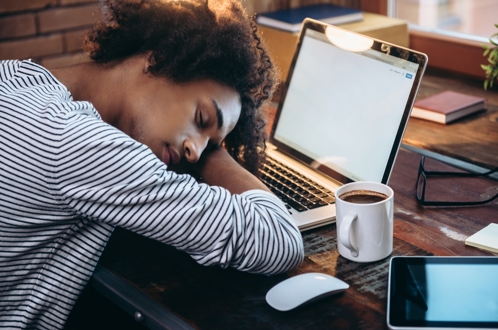
    To get the full benefits from nap time, it is important to consider where, when, and how long to nap. These and other factors can influence how a person will feel after waking up from a nap.    How Long Should a Nap Be? In general, the best nap length for adults is about 20 minutes and no longer than 30 minutes. Sleeping for 20 minutes allows the napper to get a bit of light sleep to boost alertness without entering into deep sleep. Waking up from deep sleep can cause grogginess and actually worsen sleepiness.    In some cases, a longer nap of around an hour and a half may also be beneficial. This length of time allows the body to cycle through the stages of sleep and avoids interrupting deep sleep. This type of longer nap may be especially helpful for emergency workers and shift workers who are trying to avoid fatigue.  Napping may be too much if it interferes with sleep at night. Sometimes a nap of 90 minutes or so can be refreshing, but it may be problematic if it happens too late in the day. Dependency on naps, rather than consistent nighttime sleep, can contribute to fragmented sleep or sleep disorders such as insomnia.  However, naps may not affect everyone in the same way. Some research suggests that napping affects nighttime sleep primarily in older adults rather than young and middle-aged adults. When to Take a Nap  Experts typically recommend that adults take naps eight or more hours before bedtime. For most people, that means napping before 3 p.m. Napping too late in the day may contribute to nighttime sleep problems.  For some people, naps may feel natural or even necessary after lunchtime. This is sometimes known as the post-lunch dip. While eating lunch may play a role in afternoon sleepiness, the post-lunch dip is linked to circadian rhythm. Circadian rhythm is the body’s internal clock that follows a 24-hour cycle. Within this cycle are two peak periods for sleepiness. The greatest peak is during the night, and the second one falls in the early afternoon. Where to Take a Nap A good sleep environment is cool, quiet, and dark. Having a comfortable nap setting can help prevent unwanted interruptions or awakenings.  For people who work from home, a bedroom is likely a good place for a short snooze since it is already set up to promote sleep. Adding blackout curtains or a white noise machine to block out distractions may help both at night and during daytime naps.  In an office setting, accessories such as earplugs or an eye mask can reduce disruptions during nap time. When possible, naps should be taken in a space where interruptions are unlikely to occur. Some offices may even have nap pods or other quiet areas for relaxation or a short period of restorative sleep.   Remember to Set an Alarm Before dozing off during nap time, set an alarm for the desired nap length, which should generally be around 20 minutes.  When the alarm goes off, do not hit snooze to keep sleeping since this can risk entering deeper sleep. Setting a second alarm to go off shortly after the first one may help to avoid napping for too long.  Try to get up as soon as the alarm sounds and then stretch or walk around to shake off any post-nap sleepiness.  Consider Caffeine Naps People taking a nap to get a boost of energy may benefit from drinking caffeine before napping. The brain and body feel the impact of caffeine about 30 minutes after it is consumed, so having caffeine right before a short nap may increase alertness after waking up. Frequently Asked Questions About Naps How Much Napping Is Too Much? In many cases, napping longer than 30 minutes can result in grogginess and diminished performance after waking up. In other words, napping too long can undermine the purpose of the nap. For any individual, it is important to reflect on daily energy levels and the duration and frequency of naps. If daytime sleepiness is negatively affecting you on a regular basis, it may indicate a need to change sleep habits.    What Is the Best Time of Day to Nap? For most people, the best time to take a nap is either just before or during the post-lunch dip. The post-lunch dip is the period of decreased alertness and productivity often experienced after a midday meal. A brief snooze around this time may help reduce afternoon sleepiness without interfering with nighttime sleep.     What Is the Difference Between Naps for Children and Adults? Newborns, infants, and toddlers require more sleep than adults, and it is common for them to have sleep periods during the day that supplement the sleep they get at night. Babies may take one or more naps per day, depending on their age, while toddlers tend to take only one nap each day. Similar to adults, toddlers’ nap times should occur well before bedtime.Also like adults, children’s nap environments should be free of noise, excess light, or other distractions. Over time, children may reduce the time they spend napping or stop napping altogether.    Should I Change My Napping Habits? Your current napping habits may not fit perfectly with expert recommendations, but that does not necessarily mean the way that you nap is wrong. You should only change your napping habits if you are having problems with your nightly sleep or your daily energy level.If you are not a regular napper, change may not be necessary. If you are able to function well each day without a nap, then napping may not be something you need to incorporate into your daily schedule.    How Do I Start Napping? You may have to experiment with the timing, duration, and location of your nap. Consider keeping a nap diary where you can record your sleepiness or fatigue levels before and after your nap, as well as where, when, and how long you napped. These recordings can help you track what type of nap is most effective for you.   When Should I Talk to a Doctor?  Excessively napping can also be a symptom of a mental health disorder such as anxiety or depression. Contact your doctor if you are experiencing other related symptoms, such as low mood, change in weight or eating habits, or a lack of interest in activities that you would normally enjoy.
    Read More
  • What Is a Wake-Up Light?
    What Is a Wake-Up Light?
    Sep 19, 2025
    A traditional alarm clock uses sound to wake you from sleep, but this can be overly jarring for some. In recent years, wake-up lights have become an increasingly popular alternative. Instead of relying solely on sound, wake-up lights simulate the sunrise by slowly brightening over a period of time. By doing so, they’re able to wake you up more gradually than a traditional alarm. The duration of the sunrise simulation varies across models, as does the range of colors. As with traditional alarms, most wake-up lights provide a built-in alarm that can be set for a specific time, regardless of the sunrise time in your area. Many models also come with a sunset mode to help you prepare for sleep. Additionally, wake-up lights often include sound options. In keeping with the natural theme, these sounds tend to include birds chirping, waterfalls, or other ambient noises. How to Choose a Wake-Up Light When choosing a wake-up light, shoppers may want to compare features and settings to find the right fit. Each wake-up light serves largely the same function, but certain variations and additional features may appeal to specific users. We’ll cover the most common variations between models, including wind down features, overall value, style, and smart home integration. What to Consider When Purchasing an Wake-Up Light With so many options on the market, it’s important to know how wake-up lights are different from one another in order to find one that suits your individual needs. To help you make an informed purchase, we’ll highlight the top features you’ll want to consider when buying a wake-up light. Wake-Up Features Wake-up lights often differ in terms of available features and settings. While some lights simply get brighter, many wake-up lights simulate the colors of the sunrise. To accompany the light alarm, wake-up lights may include a traditional auditory alarm with natural sounds or FM radio. Wind Down Features In addition to sunrise settings, some wake-up lights include sunset simulation. By dimming gradually and changing colors, this function helps users wind down before falling asleep. Wind down features may also include soothing, natural sounds or meditations. Battery Backup Many wake-up lights are AC- or USB-powered. Some will include a backup battery to ensure that the light still works in the event that power is lost. This provides users with additional peace of mind. The backup battery is typically not intended to be the primary power source, and it should be replaced regularly. Value Value is an important consideration for shoppers, and most will want to compare the cost of a wake-up light with the features it provides. Some shoppers may justify a higher price-point for a wake-up light that includes additional options like smart home integration or wind down settings. Others may want a simpler design that does not warrant a high price. Smart Features It’s becoming more common for household objects to feature smart home integration, and wake-up lights are no exception. While many wake-up lights are compatible with Amazon’s Alexa and Google Home, it’s not unusual for a manufacturer to provide its own app or premium service. Using these smart devices, wake-up lights can often be programmed and controlled from outside the home or by voice. Style Each wake-up light has its own shape, colors, and style. While not every wake-up light’s design may cater to your personal taste or fit in with your bedroom decor, there is a wide selection to appeal to a variety of shoppers. Along with wake-up and wind down color changes, some wake-up lights allow for multicolored lighting. This could allow a light to fit a room’s color palette closely, or appeal to those who want a customizable option. Display  Many wake-up lights include a digital clock. Others may display additional information or feature a functional touchscreen. Some displays may also have a night mode or turn off completely in order to not disturb sleep. Other Features In addition to some of the more common features, wake-up lights may come with sleep stories or guided meditations, which can be used alone or in conjunction with other wind down features. Dedicated reading light and night light modes are also included in some models. When it comes to wake-up or wind down sounds, some wake-up lights pair with an app and include the ability to download more options as they become available. Since a wake-up light differs from a traditional alarm clock, shoppers may have additional questions when shopping. We’ll cover some of the most frequently asked to give you a better idea of what to keep in mind before making a purchase. Frequently Asked Questions How do sunrise alarms work? Sunrise alarms wake you up with light that gradually brightens, rather than using a loud noise like a traditional alarm.Your vision is stimulated by the wake-up light’s sunrise settings. With some wake-up lights, natural sounds or the radio can accompany the change in light. Are wake up lights good for you? Wake up lights can be considered a more natural alternative to traditional alarms. Exposure to light is one of the most important factors for your circadian rhythm, which dictates your ability to fall asleep and wake up at regular times.By simulating the sunrise with a gradual increase in brightness, this type of alarm wakes you up gently. What is the best color light to wake up to? To simulate the sun’s brightness, most wake-up lights are yellow. This energizing color is one that your body is naturally inclined to associate with morning.Colors like purple and red are often used for simulating the sunset, and may be more conducive to falling asleep.
    Read More
  • How Long Should a Nap Be?
    How Long Should a Nap Be?
    Sep 19, 2025
    How Long Should I Nap?  There are few things greater than the refreshing feel of waking up from a good nap—but what exactly constitutes a ‘good’ nap? Timing is everything; a nap that is too short or too long can leave you feeling fatigued instead of rejuvenated. A short nap of 10-20 minutes is precisely enough shut-eye to reap the many restorative benefits of napping. 30 minutes could make you feel too groggy once you’re awake. A 90-minute nap is considered best for a longer option.  We’re here to answer all of your questions about catching midday z’s and provide tips on how to make the best of your rest. Napping vs. Sleeping: What’s the Difference? What is the Best Nap Length for Adults? What are the Benefits of Napping?   Napping vs. Sleeping: What’s the Difference? We’ve all been there—a short and sweet catnap turns into an hours-long snoozefest. Whether you wake up well-rested or even more tired than before, odds are pretty likely that your normal bedtime and a genuinely good night’s sleep are totally out of the window. Therein lies the shining difference between napping and sleeping. Naps are meant to provide a temporary recharge to your battery whereas sleep provides a complete reset. The most discernible differences between napping and sleeping include duration and sleep cycles. When you fall asleep, your brain naturally moves through four stages of sleep. Each stage progresses sequentially through light sleep, deep s/leep, and REM cycles which repeat on 90-110 minute intervals.  Because the goal of a good nap is to re-energize your mind and body, the best nap length ensures you are not entering REM or deep sleep stages, but only staying in light sleep. So, 10-20 minute naps should be just the ticket! True sleep, on the other hand, occurs within the deep sleep and REM stages, during which your body undergoes the most impactful restoration. Experts recommend that adults get 7 to 9 hours of sleep every night to maintain a healthy, high-functioning lifestyle.   Best Nap Length for Adults If you’re like most people, you likely strategize the length of your nap by assessing how much time you have to spare. Rather than leaving the question of “how long should I nap” up to an ambiguous time frame, stick to expert-recommended nap times and ask yourself, what is a good sleep score? for that time frame.   According to the National Sleep Foundation, the best nap lengths for adults are 20 or 90 minutes. Here’s why: 10-20 minute naps are also referred to as power naps. These short naps allow you to wake up feeling refreshed, energized, and alert. To sweeten the deal, well-timed power naps have little to no impact on your nighttime slumber, so you can head to sleep at your usual bedtime without any difficulty dozing off.  90-minute naps allow you to cycle through all sleep stages while avoiding sleep inertia, since you’re not waking up during deep sleep. These naps can leave you feeling thoroughly rejuvenated, more creative, more focused, and more physically energized.    Benefits of Napping Sleep experts have found that a little nap time can go a long way for your mind and body. A good midday snooze session can increase alertness, reduce stress, sharpen cognitive skills, improve your mood and help you figure out how to stop being a night owl.  In addition to getting some downtime away from the hustle and bustle of your everyday life, napping allows you to reap a myriad of benefits in 90 minutes or less.
    Read More
  • What to Expect from a Reliable Wall Clock Manufacturer in China
    What to Expect from a Reliable Wall Clock Manufacturer in China
    Aug 21, 2025
    When sourcing wall clocks for your business, finding the right manufacturing partner is crucial. China has long been recognized as a global leader in clock manufacturing, offering a wide range of designs, technologies, and price points. However, not all manufacturers deliver the same level of quality and reliability. So, what should you expect from a trustworthy wall clock manufacturer in China? 1. Strong Manufacturing Experience A reliable wall clock manufacturer will have decades of experience in the industry. This experience ensures they understand evolving market trends, consumer preferences, and the technical requirements needed to produce clocks that are both functional and stylish. Manufacturers with long-standing expertise are better equipped to guide customers through the entire process—from concept development to final production. 2. Comprehensive Product Range Trusted manufacturers typically offer a wide variety of wall clocks, including: Quartz clocks with silent sweep movement Atomic and radio-controlled clocks for precise timekeeping WiFi or smart clocks with app-based features Decorative wall clocks for homes, offices, and public spaces Outdoor weather-resistant clocks A broad product line allows customers to find suitable solutions for different markets and end-users without switching suppliers. 3. Commitment to Quality Control Reliable Chinese manufacturers follow strict quality control processes at every stage of production. This includes raw material inspection, movement testing, assembly line checks, and final product evaluation. Look for manufacturers with international certifications such as ISO9001, CE, FCC, or RoHS, as these demonstrate their compliance with global quality and safety standards. 4. Customization and OEM/ODM Services Every market has unique needs. A good manufacturer provides OEM (Original Equipment Manufacturing) and ODM (Original Design Manufacturing) services to help clients create products that reflect their brand identity. From customized clock faces and logos to unique packaging and smart features, customization adds value and helps businesses stand out in a competitive market. 5. Competitive Pricing with Value China’s strength lies in its cost-effective manufacturing. However, reliable suppliers balance affordability with quality. Instead of simply offering the lowest price, reputable manufacturers provide the best value for money, ensuring that products are durable, attractive, and meet customer expectations. 6. Efficient Communication and Service A dependable manufacturer values clear, timely communication. Whether it’s providing quotations, confirming specifications, or updating on production progress, a strong support team ensures smooth collaboration. This is especially important for overseas buyers, where effective communication bridges distance and builds trust. 7. On-Time Delivery and After-Sales Support Meeting deadlines is essential in today’s fast-paced global market. A reliable Chinese wall clock manufacturer will have the production capacity and supply chain management to deliver goods on time. Additionally, they should offer responsive after-sales support, helping clients address issues such as spare parts, warranty claims, or technical assistance. Conclusion When partnering with a wall clock manufacturer in China, reliability goes beyond just producing clocks. It means working with a team that offers experience, quality, customization, competitive pricing, clear communication, and dependable service. By choosing the right partner, your business can confidently expand its product range, strengthen its brand image, and meet customer demand with clocks that truly stand the test of time.   At Tongyuan Clock, we take pride in delivering high-quality wall clocks that blend craftsmanship, innovation, and reliability. Whether you’re looking for OEM/ODM solutions or ready-made designs, our team is here to help you bring your ideas to life.  
    Read More
  • Why Branded Wall Clocks Are the Perfect Long-Term Promotional Gift
    Why Branded Wall Clocks Are the Perfect Long-Term Promotional Gift
    Aug 19, 2025
    When you want a gift that’s kept, used, and remembered, branded wall clocks outperform most swag. They combine everyday utility with constant brand visibility—quietly delivering impressions for years. Here’s why they make a standout long-term promotional gift, plus how to spec one that feels premium and lasts. 1) Everyday utility = daily impressions Clocks are checked multiple times a day. Even at a conservative 50 glances/day, a single clock delivers: 18,250 impressions/year (50 × 365) 54,750 impressions over 3 years Scale that across offices, classrooms, receptions, or retail spaces and you get a compounding brand lift with zero ongoing media spend. 2) Longevity and retention A quality clock stays on the wall for 3–5+ years, unlike disposable merch. That long service life spreads your one-time cost over tens of thousands of impressions, driving the effective cost per impression to pennies (or less). 3) Universally welcomed Timekeeping is universally useful—in offices, hospitals, schools, cafés, shops, and homes. Acceptance rates are high across audiences and cultures, so your gift doesn’t gather dust or get re-gifted. 4) Professionalizes the space A well-designed clock tidies up the environment. In reception areas and meeting rooms, it adds order and trust; on production floors and classrooms, it supports punctuality and rhythm. 5) Big, gentle branding Unlike pushy ads, a logo on a clock is ever-present but unobtrusive. Your mark becomes part of the environment’s visual language—seen at a glance, never forced. 6) Deep customization options Form factor: analog (classic) or digital (high-readability) Dial design: brand colors, numerals/markers, campaign taglines, QR codes Premium accents: metallic hot-foil indices, embossed logos, back-printed glass Smart sync: radio/Wi-Fi/NTP for chain-wide time accuracy Packaging: custom boxes and message cards for a complete gifting experience 7) Cost-effective over time Clocks turn a single capex into steady, organic reach. Compared with short-lived giveaways (bags, pens, trinkets), clocks remain on display—no ad platform fees, no renewals. 8) Sustainability options Use recyclable ABS, responsibly sourced wood veneers, UV-stable inks, and minimal packaging. Printing compliance notes (e.g., RoHS/REACH) on the box reinforces your brand’s responsibility. What makes a great branded wall clock (spec guide) Legibility first High contrast between hands/digits and dial Arabic numerals or bold markers for quick read Anti-glare lens for sunlit spaces Quiet where it matters Sweep (silent) quartz for clinics, libraries, studios, bedrooms Step quartz for busier areas where ticking won’t be noticed Right size for the distance Reception/meeting rooms: Ø 30–35 cm Large halls/retail: Ø 40–50 cm or large-digit digital Durable finishes Screen/UV print with UV-resistant inks Back-printed glass or aluminum dials for premium longevity Anti-yellowing lenses; secure mounting hardware Branding that enhances (not overwhelms) Keep logo ~10–20% of dial diameter Place logo clear of the hands’ sweep; maintain a safe area Consider subtle metallic ring or index accents for a premium feel Best occasions and recipients Client milestones & VIP gifting: signal partnership and permanence New site openings & renovations: unify interiors with consistent time displays Employee recognition: anniversary editions that staff proudly use Trade shows & dealer programs: limited editions that stay visible at partner locations How to measure impact (simple and practical) Unique QR/URL on dial backplate or packaging to attribute visits/sign-ups Offer codes to track redemptions by location or event Recall surveys (“Which brand is on the meeting room clock?”) for memory lift Operational KPIs (e.g., on-time meeting starts) where relevant Common pitfalls to avoid Low contrast (brand color on brand color) reducing readability Over-large logos that crowd numerals and look “promotional” Ticking movements in quiet zones Skipping a 1:1 print test on a wall before sampling No mounting hardware or unclear instructions in the box Your next step (easy brief template) Send us the following for a fast proposal and mockup: Quantity & budget range Analog or digital, target size, environment (quiet/bright/large space) Brand assets (AI/SVG logo, color codes, fonts) Desired finish (glass/ABS/metal, matte/gloss, foil accents) Packaging requirements (gift box, message card, batteries included) Deadline and shipping locations Work with Tongyuan Clock At Tongyuan Clock, we design and manufacture custom branded wall clocks that balance legibility, durability, and brand impact. Our OEM/ODM services include dial design, silent movements, smart time-sync, premium print finishes, and turnkey packaging—delivered on schedule for campaigns, corporate gifting, and multi-site rollouts.   Ready to create a clock they’ll use every day? Share your brief and we’ll return a tailored design concept and sampling plan.  
    Hot Tags : branded wall clocks
    Read More
1 2 13 14 15 16 17 18 19 23 24
A total of24pages

Leave A Message

Leave A Message
If you are interested in our products and want to know more details, please leave a message here, we will reply you as soon as we can.
Submit

Home

products

whatsApp

contact