English
 English
 Español
What Are You Looking For?

Tongyuan Electronic Co., Ltd.

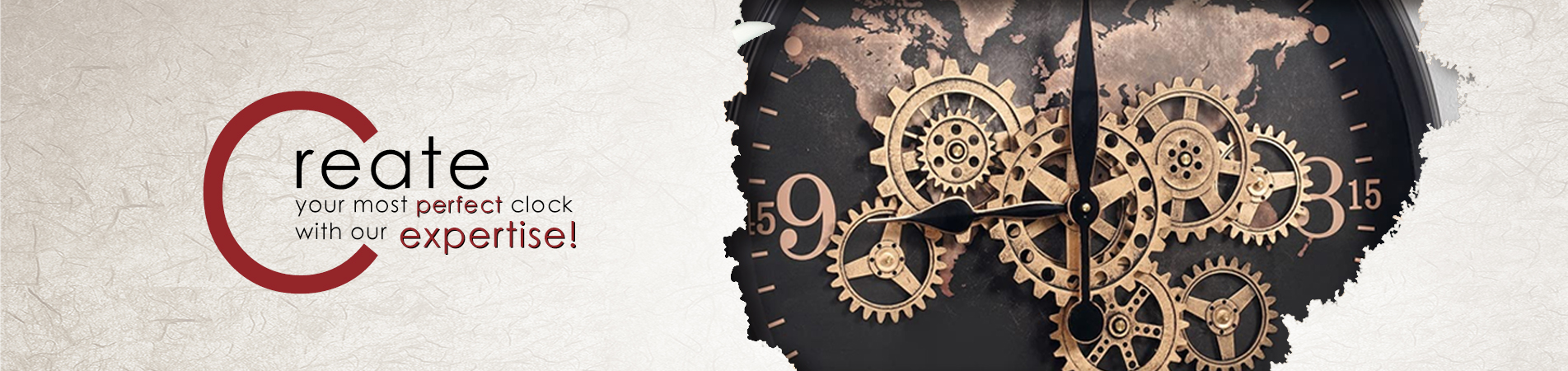
Meta Description:
Explore the journey of transforming a traditional clock factory into a modern design-driven brand. Learn the strategic shifts required to move from OEM manufacturing to global brand positioning.
For many traditional clock manufacturers, the journey began with craftsmanship, production discipline, and export partnerships.
OEM manufacturing provided stability. Orders were consistent. Operations were efficient.
But over time, global competition intensified. Margins narrowed. Copycat designs flooded marketplaces.
The question became unavoidable:
Is manufacturing enough?
Upgrading from factory to brand requires strategic transformation—not just operational improvement.
The first step in transformation is awareness.
Common warning signs include:
Increasing price pressure
Clients switching suppliers based solely on cost
Short product lifecycles
Limited pricing power
Weak brand recognition
When products lack differentiation, factories become interchangeable.
Brand evolution becomes not a luxury—but a necessity.
Brand transformation begins with design ownership.
This requires:
Establishing an in-house design team
Investing in CAD and 3D modeling tools
Developing prototype testing systems
Monitoring global design trends
Original product development becomes the foundation of differentiation.
Design must evolve from reactive execution to proactive creation.
A brand-driven manufacturer invests in research and development.
R&D priorities include:
Movement innovation
Material exploration
Structural optimization
LED integration systems
Sustainable material alternatives
Structured development pipelines reduce reliance on external design direction.
Innovation becomes internal capability.
Manufacturing produces products.
Branding defines meaning.
A clear brand identity answers:
What design philosophy do we represent?
What price tier do we target?
What materials define our signature?
What lifestyle do we communicate?
Consistency across product lines builds recognition.
Without clarity, brand efforts remain fragmented.
Traditional OEM operations prioritize cost efficiency.
Brand evolution shifts emphasis toward:
Value perception
Customer experience
Packaging presentation
Product storytelling
After-sales reliability
Higher value positioning supports stronger margins and long-term growth.
Modern brand building requires strong visual presence.
Essential components include:
Professional product photography
Lifestyle scene presentation
Consistent color palette
Structured product collections
Digital marketing assets
Retailers and consumers increasingly judge brands by presentation quality.
Visual clarity builds trust.
Brand-oriented manufacturers expand beyond traditional export orders.
Channels may include:
Independent websites
Amazon and e-commerce platforms
Design exhibitions
Social media presence
Regional distribution partnerships
Diversified channels reduce dependency on a small number of buyers.
Brand resilience increases.
Brand transformation demands uncompromising quality standards.
Key upgrades often include:
Strict movement testing
Material inspection protocols
Consistent finishing standards
Long-term durability evaluation
Quality is no longer simply about meeting order requirements.
It directly reflects brand reputation.
Moving from OEM to OBM requires collaborative relationships.
Ideal partnerships include:
Exclusive distributors
Design-focused retailers
Hospitality groups
Interior designers
Strategic collaboration creates long-term brand growth rather than short-term volume.
Transformation is not purely operational.
It requires mindset change.
Production teams must embrace:
Design experimentation
Iterative prototyping
Long-term brand thinking
Continuous improvement
Internal alignment ensures that brand values translate into production reality.
Many manufacturers maintain both OEM and OBM models.
OEM provides:
Stable production volume
Operational continuity
OBM provides:
Higher margins
Brand equity
Market influence
Balanced strategy allows gradual transition without financial instability.
Successful transformation results in:
Greater pricing power
Global recognition
Stronger negotiation position
Reduced price competition
Sustainable growth
Factories compete on cost.
Brands compete on value.
Upgrading from factory to brand is not an overnight change.
It is a structured journey requiring:
Design ownership
R&D investment
Identity clarity
Quality discipline
Strategic marketing
In today’s competitive landscape, manufacturing capability alone is insufficient.
The future belongs to manufacturers who think like brands—and brands who understand manufacturing.
Transformation is challenging.
But evolution defines leadership.


 IPv6 network supported