Tongyuan Electronic Co., Ltd.
Blog

Blog

Home

Blog

  • Are Wall Clocks Dated or Cool? Designers Have Strong Opinions
    Are Wall Clocks Dated or Cool? Designers Have Strong Opinions
    Oct 30, 2025
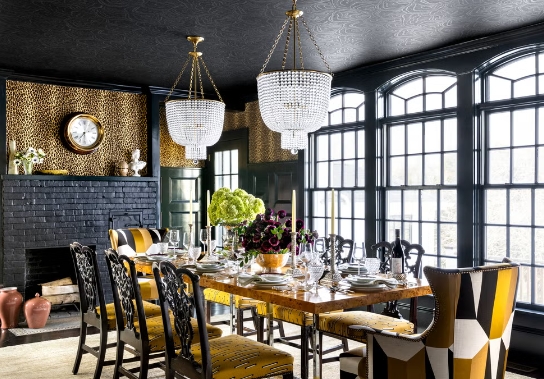
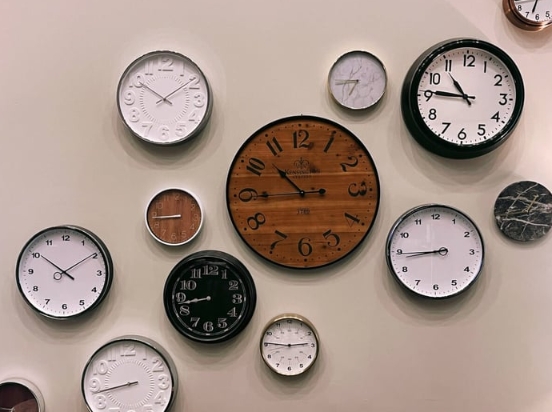
    They’re more divisive than you think. The humble wall clock might seem like a simple object — functional, familiar, and perhaps a little old-fashioned. Yet, in today’s world of digital screens and smart devices, designers are surprisingly divided about whether wall clocks still belong in modern interiors. Some consider them timeless icons of design, while others see them as nostalgic décor from a bygone era. So, what’s the truth? Are wall clocks outdated, or are they making a stylish comeback? The Argument: “Wall Clocks Are Outdated” For many minimalist and tech-focused homeowners, wall clocks feel redundant. After all, time is everywhere — on our phones, laptops, smart speakers, and even ovens. The convenience of digital devices has made many people question the need for a physical clock at all. Some designers argue that traditional wall clocks clash with ultra-modern interiors. The ticking sound, large size, or ornamental frames of older designs may seem out of step with sleek, screen-based living. In the age of voice assistants and smart homes, isn’t a wall clock just another relic of analog life? This perspective focuses on efficiency — why hang something that performs a task we already carry in our pocket? The Counterargument: “Wall Clocks Are Design Statements” On the other side, design traditionalists — and many modern minimalists, too — argue that wall clocks are far from obsolete. They insist that a wall clock’s beauty lies not just in its function but in its form. A well-designed clock can transform a blank wall into a focal point. It adds balance, structure, and rhythm to a room. The clean geometry of a round clock, the texture of natural wood, or the shimmer of a metallic finish can complement and elevate a space in ways no digital display can. Unlike screens, a wall clock doesn’t demand attention — it quietly grounds a room. It serves as a visual anchor that connects the human sense of time to the physical world. Designers also point out that the latest generation of wall clocks is more innovative than ever. Modern clocks come in acrylic, marble-textured, or metal finishes, feature silent quartz movements, and can even include temperature, humidity, or backlight functions. These aren’t your grandmother’s clocks — they’re design-forward pieces of functional art. Why Designers Still Love Wall Clocks Interior designers often use wall clocks as an easy yet impactful way to tie a room together. A large statement clock can balance tall ceilings or wide walls. In compact spaces, a minimalist design adds character without clutter. Clocks also carry emotional value. They remind us to pause, to breathe, and to acknowledge the moment — something digital devices rarely encourage. In family homes, the soft movement of the hands across the dial is a familiar rhythm that feels both comforting and timeless. At Tongyuan Clocks, we see this blend of form and feeling as the essence of modern design. Our clocks are not just tools for keeping time; they are reflections of lifestyle, mood, and individuality. Each model — from sleek aluminum wall clocks to natural wood finishes — is designed to complement the energy of contemporary interiors while honoring traditional craftsmanship. The Verdict: Timeless, Not Outdated So, are wall clocks dated or cool? The answer depends on how you see them. For those who value pure functionality, a smartphone may suffice. But for those who appreciate the balance of beauty and purpose, a wall clock remains an essential element of thoughtful design. A clock on the wall is more than an object — it’s a statement about how we experience time. It reminds us that even in a fast-paced, digital world, time still deserves to be seen, not just measured.   Explore Tongyuan Clocks' collection of modern and classic wall clocks at www.tongyuanclock.com and discover why designers around the world still consider them one of the coolest design essentials in any home.
    Read More
  • The Role of Wall Clocks in Interior Design
    The Role of Wall Clocks in Interior Design
    Oct 29, 2025
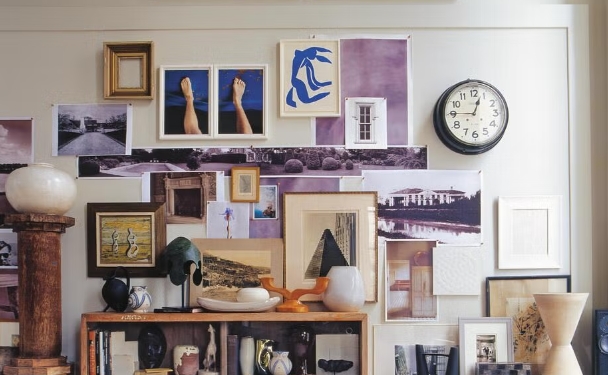
    A wall clock may be one of the simplest items in a home, but its presence has a powerful impact. More than a tool for timekeeping, it serves as a statement of style, personality, and balance. In interior design, wall clocks play a subtle yet significant role — they connect practicality with aesthetics, tradition with modernity, and rhythm with space. At Tongyuan Clocks, we believe a clock is not just about telling time; it’s about defining atmosphere. The right wall clock can transform an ordinary wall into a focal point, add character to minimalist interiors, or bring warmth and movement to an otherwise quiet space. The Perfect Blend of Function and Form The wall clock is one of the few accessories that perfectly merges utility with design. It provides an essential function while enhancing the overall visual harmony of a room. Designers often use clocks as both functional décor and architectural accents, choosing styles that complement color schemes, textures, and proportions. In modern homes, a minimalist clock with a clean dial can echo a sleek aesthetic. In traditional interiors, a classic wooden or metal clock can lend an air of sophistication. Even in industrial or contemporary spaces, a bold geometric clock can serve as an artistic centerpiece. Creating a Focal Point A thoughtfully chosen wall clock can instantly draw the eye. Large, decorative designs can serve as anchors for spacious living rooms or open-plan areas. When placed strategically — above a sofa, mantelpiece, or console — a wall clock can balance proportions and bring structure to the wall layout. For smaller spaces, compact or frameless designs can achieve elegance without overwhelming the room. Materials like acrylic, brushed metal, or natural wood add texture and reflect light, creating subtle layers of visual interest. Expressing Personality Through Design A wall clock reflects more than your taste — it expresses your personality. Whether it’s a vintage-inspired piece, a sleek Scandinavian design, or a creative artistic form, a clock tells a story about who you are. Many homeowners now choose clocks as conversation pieces that reflect their passions — such as music-themed clocks, abstract modern art designs, or eco-friendly wooden models. A clock can set the tone of a space: calm and balanced, bold and modern, or warm and traditional. Enhancing Harmony and Energy In both interior design and Feng Shui philosophy, clocks represent rhythm and flow. A well-placed clock encourages energy to circulate naturally within a space, maintaining balance and movement. Designers often recommend placing clocks where they can be seen easily but not dominate the view, such as on a feature wall or above eye level in common areas. Silence is equally important. Modern silent quartz clocks have replaced the old ticking sound, making them ideal for tranquil settings like bedrooms, offices, or meditation spaces. Modern Trends in Wall Clock Design The evolution of wall clocks has brought a wide variety of materials, shapes, and finishes. Today’s designs integrate marble textures, matte metals, minimalist lines, and even LED lighting. Smart clocks with built-in temperature and humidity sensors or USB charging functions are now adding convenience to their classic charm. At Tongyuan Clocks, we specialize in merging modern craftsmanship with timeless elegance. From simple round clocks to creative statement pieces, our designs cater to both residential and commercial interiors — offering quiet precision, durability, and customizable branding options. Timeless Beauty in Every Space The enduring appeal of wall clocks lies in their ability to balance function, emotion, and artistry. They remind us of time’s steady rhythm while enriching our living environments with character and charm. A well-chosen wall clock is never just decoration — it is the heartbeat of a room.   Explore our full range of modern and classic designs at www.tongyuanclock.com and discover how Tongyuan Clocks can help you create spaces that are both beautiful and timeless.  
    Read More
  • The Evolution of the Alarm Clock: From Ancient Times to Modern Days
    The Evolution of the Alarm Clock: From Ancient Times to Modern Days
    Oct 29, 2025
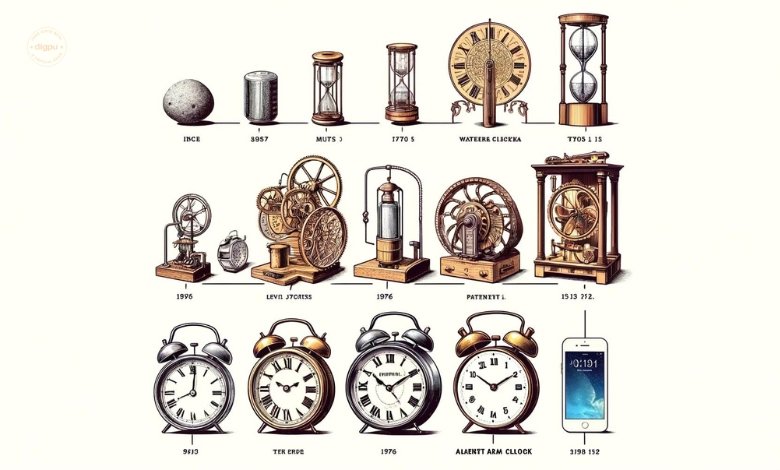
    Few inventions have shaped our daily lives as much as the alarm clock. From ancient civilizations that relied on the rising sun to today’s smart devices that sync with our digital lives, the story of the alarm clock is a fascinating reflection of human progress and our relationship with time. At Tongyuan Clocks, we design modern alarm clocks that carry forward this long tradition — blending precision, innovation, and style. Let’s take a journey through the history of how the alarm clock evolved from a simple time indicator to an essential part of modern living. The Ancient Origins of Timekeeping The earliest “alarm clocks” were not mechanical devices but natural signals. People in ancient Egypt and Greece measured time using sundials and water clocks (known as clepsydra), which could be adjusted to release water or sound a bell at a certain hour. In ancient China, candle clocks and incense timers were used to mark the passing of hours — when the wax or incense burned to a specific point, it would trigger a chime or fall of a small metal ball to alert the user. These early innovations marked humanity’s first steps toward controlling time rather than merely observing it. The First Mechanical Alarm Clocks The mechanical revolution began in medieval Europe around the 14th century, when early mechanical clocks appeared in monasteries and church towers. They rang bells at specific intervals to signal prayer times. By the 15th and 16th centuries, clockmakers began crafting smaller, personal timepieces with built-in alarms. These early versions often had a second dial or pin that could be adjusted manually to sound a bell at a chosen time. Although rare and expensive, they were prized possessions for wealthy individuals and scholars. The Industrial Revolution and Mass Production The 19th century changed everything. The Industrial Revolution introduced mass production, allowing alarm clocks to become affordable household items. In 1876, American inventor Seth E. Thomas patented one of the first mass-produced mechanical alarm clocks, which became a staple in homes worldwide. These clocks were typically powered by wind-up springs and featured the iconic twin-bell design — still beloved today for its nostalgic charm and powerful ring. The Age of Electricity and Convenience The arrival of electricity in the early 20th century revolutionized alarm clocks once again. Electric models replaced wind-up mechanisms, offering smoother operation and consistent timekeeping. By the mid-century, clock radios became popular, combining the functions of a radio and an alarm clock — a perfect reflection of postwar modern living. The invention of quartz technology in the 1960s brought even greater precision and quieter operation, paving the way for compact, stylish, and more accurate designs. The Digital and Smart Era Today’s alarm clocks have evolved far beyond mechanical and electric designs. Digital alarm clocks feature LED or LCD displays, multiple alarms, temperature readings, and even USB charging ports. Many modern versions use Bluetooth connectivity, wireless charging, or smart app control, allowing users to set alarms through their phones. At Tongyuan Clocks, our alarm clocks combine functionality with style — from silent quartz movements and soft nightlights to modern USB charging and multicolor designs. Each clock is thoughtfully crafted to make waking up smoother, more enjoyable, and more elegant. The Timeless Role of the Alarm Clock Despite advances in technology, the essence of the alarm clock remains unchanged. It’s more than just a device that wakes us up — it’s a symbol of rhythm, discipline, and renewal. Whether crafted from metal, wood, or acrylic, every clock continues a tradition that spans thousands of years: helping people greet each new day with purpose. The evolution of the alarm clock shows how design and function can coexist beautifully. From the ringing bells of the past to the silent elegance of today’s models, each version tells the same story — our enduring desire to live in harmony with time.   Explore the latest innovations and timeless designs at www.tongyuanclock.com and discover how Tongyuan Clocks brings history, craftsmanship, and modern technology together in every timepiece.  
    Read More
  • A Complete Guide to the Types of Clocks
    A Complete Guide to the Types of Clocks
    Oct 29, 2025
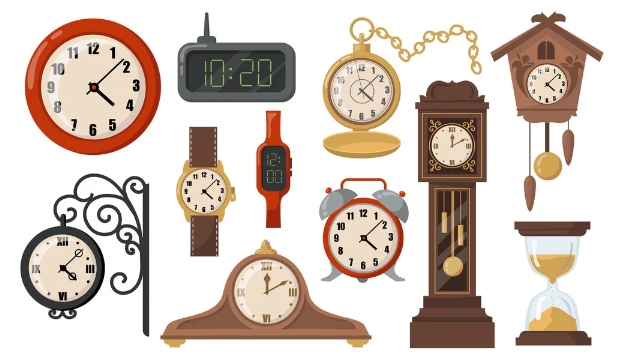
    Clocks are among the most essential inventions in human history — tools that not only help us measure time but also define how we live, work, and create. Over the centuries, clocks have evolved from complex mechanical marvels to elegant décor pieces and high-tech devices. Today, the world of clocks offers endless options, each designed to serve a unique purpose and style. At Tongyuan Clocks, we believe understanding the different types of clocks can help you choose the perfect one for your home, office, or commercial space. Here’s a complete guide to the main categories of clocks and what makes each special. Wall Clocks Wall clocks are the most common type, designed to hang prominently and make time easily visible from anywhere in the room. They range from classic pendulum styles to sleek, minimalist modern designs. Analog Wall Clocks – Feature traditional hour and minute hands, ideal for homes, schools, and offices. Digital Wall Clocks – Display time in numbers, often including date, temperature, and humidity readings. Decorative Wall Clocks – Designed as art pieces that enhance interior aesthetics while serving a practical function. Table and Desk Clocks Compact and versatile, table or desk clocks add both function and style to workspaces and bedrooms. Alarm Clocks – Essential for daily routines, often featuring nightlights, USB charging, or twin bell designs. Decorative Desk Clocks – Stylish accent pieces that elevate home offices, living rooms, or hotel spaces. Travel Clocks – Portable and lightweight, perfect for convenience on the go. Pendulum and Grandfather Clocks These clocks are timeless symbols of craftsmanship and tradition. Pendulum Clocks – Known for their swinging pendulums and rhythmic precision. Often used in living rooms or offices for a touch of sophistication. Grandfather Clocks – Tall, freestanding designs that embody elegance and history. They are often considered heirloom pieces. Digital and Smart Clocks In the modern age, digital and smart clocks have redefined timekeeping. LED and LCD Clocks – Offer clear, bright displays suitable for bedrooms and offices. Smart Clocks – Connect with home assistants or mobile apps, featuring alarms, temperature monitoring, and voice control. Projection Clocks – Display time on walls or ceilings, adding a futuristic touch to bedrooms and home theaters. Specialty Clocks Beyond the classic types, some clocks serve unique purposes or styles: Kids’ Educational Clocks – Designed with colorful graphics to help children learn to tell time. Weather and Hygrometer Clocks – Display temperature and humidity, perfect for offices or living spaces. Promotional Clocks – Custom-made with company logos for gifts, branding, and marketing events. Artistic and Themed Clocks – Creative designs like musical instruments, animals, or abstract art to match different personalities and décor styles. Choosing the Right Clock for Your Space When selecting a clock, consider function, style, and placement. A wall clock in the living room can act as a centerpiece, while a silent desk clock may be perfect for focused work. For bedrooms, non-ticking or digital models promote a restful atmosphere. Materials also matter — wood adds warmth, metal conveys modernity, and acrylic provides contemporary charm. At VirtueTime / Tongyuan Clocks, we combine decades of expertise with innovative design to create clocks that harmonize with any lifestyle. Our range includes wooden, acrylic, metal, quartz, and digital models, each customizable with your preferred size, color, and logo. Timeless in Function, Endless in Design Clocks have come a long way — from mechanical wonders to minimalist art pieces. Whether you need a reliable timekeeper, a décor statement, or a branded promotional gift, there’s a perfect clock for every purpose.   Discover the full range of designs at www.tongyuanclock.com and bring timeless elegance to your space.  
    Read More
  • The Evolution of Modern Wall Clocks: From Function to Fashion
    The Evolution of Modern Wall Clocks: From Function to Fashion
    Oct 29, 2025
    Once upon a time, a wall clock was simply a practical tool — a household necessity to help families organize their day. Today, it has evolved into something far greater: a statement piece of design, a reflection of lifestyle, and a symbol of personal taste. The journey of the wall clock mirrors the evolution of design itself — from pure function to a blend of art, innovation, and emotion. The Early Days of Practical Timekeeping The earliest wall clocks were born out of necessity. During the 17th and 18th centuries, pendulum clocks dominated European homes. These were prized for their accuracy and craftsmanship, often handcrafted from wood and brass with ornate details. The clock was a symbol of order and prestige — a proud fixture in family living rooms and studies. With industrialization in the 19th century, clock production became more efficient and accessible. Factories in the United States and Europe began producing affordable wall clocks for the middle class. Designs became simpler, focusing on reliability and affordability rather than decoration. The Rise of Design and Style The 20th century brought a major shift. As design movements like Art Deco, Bauhaus, and Mid-Century Modern emerged, the wall clock transformed from a tool into an object of style. Clean lines, geometric forms, and bold materials replaced intricate carvings. In the post-war era, designers began treating the wall clock as a form of artistic expression. Colorful plastics, metals, and unique shapes became popular in the 1950s and 1960s. Brands experimented with sunburst designs, atomic motifs, and minimalist dials — blending modernity with optimism. The wall clock had officially entered the realm of interior design. Technology and the Age of Precision The invention of quartz movement in the 20th century revolutionized timekeeping. It replaced mechanical gears with crystal oscillation, delivering near-perfect accuracy while allowing clocks to become thinner, quieter, and more diverse in style. As digital technology developed, new forms of wall clocks emerged — from LED displays to hybrid analog-digital designs. What was once a purely mechanical object became a symbol of progress and innovation. Modern Wall Clocks as Decorative Art Today, the modern wall clock is as much about aesthetics as accuracy. Designers and homeowners choose clocks not only to tell time but to define a space. A sleek metal clock may highlight a minimalist office; a wooden frame clock adds warmth to a living room; and a creative acrylic design becomes a conversation piece in cafés or art studios. At Tongyuan Clocks, we celebrate this evolution by combining craftsmanship with creativity. Our collections feature wood, metal, acrylic, and marble-inspired designs, offering both traditional elegance and modern flair. Whether it’s a silent quartz clock for peaceful living or a statement piece for contemporary interiors, each model reflects our commitment to both design and precision. Time as a Form of Expression The evolution of modern wall clocks shows how deeply design and culture intertwine. From pendulums and gears to digital precision and minimalist art, the clock continues to evolve — yet its essence remains the same. It connects us to time, rhythm, and beauty in everyday life. Far from being a relic of the past, the wall clock stands today as a timeless expression of taste and innovation.   To explore how modern craftsmanship meets artistic design, visit www.tongyuanclock.com  
    Hot Tags : wall clock
    Read More
  • Is It Time to Retire the Wall Clock?
    Is It Time to Retire the Wall Clock?
    Oct 29, 2025
    In an age where every smartphone, computer, and smart speaker can tell time instantly, it’s easy to assume that the traditional wall clock has lost its place in the modern home. Yet, if you look around carefully — in homes, cafés, offices, or studios — you’ll still find clocks quietly marking the passage of hours. Far from being obsolete, the wall clock continues to play an important role in both design and daily life. So, is it really time to retire the wall clock? Or has it simply evolved, adapting to new lifestyles and aesthetic expectations? The Wall Clock as a Design Statement For centuries, the wall clock has been more than a functional object. It has served as a focal point in the home — a symbol of precision, order, and craftsmanship. Today, it remains an essential design element that adds personality and balance to interior spaces. A well-chosen clock can tie a room together. A modern minimalist clock complements sleek Scandinavian interiors, while a vintage wooden or metallic design brings warmth and nostalgia. In spaces where digital devices dominate, an analog clock introduces texture, artistry, and a sense of human touch that technology often lacks. The Emotional Connection with Time Beyond décor, clocks carry emotional resonance. Watching the hands move quietly across the dial creates a calming sense of rhythm — a reminder of life’s pace and continuity. Unlike digital screens that demand attention, a wall clock offers a subtler awareness of time, allowing you to live more consciously. In family homes, a clock in the living room often becomes part of daily rituals — marking school mornings, family dinners, and bedtime routines. In this sense, the wall clock represents shared time, not just measured time. The Modern Evolution of the Wall Clock Far from disappearing, clocks have adapted to modern needs. Today’s designs merge traditional craftsmanship with technology and innovation. Many models now feature silent quartz movements, temperature and humidity displays, USB charging ports, or even LED night lights. At Tongyuan Clocks, we have embraced this evolution by creating products that blend precision engineering with contemporary aesthetics. Our range includes wooden, acrylic, metal, and smart-function clocks designed for both style and practicality. The modern clock is no longer just a tool — it is a lifestyle accessory that expresses taste and personality. The Need for Tangible Time In a digital world, there’s something grounding about glancing at a physical clock. It connects you to the present moment in a way that phones and gadgets can’t. A wall clock doesn’t interrupt you with notifications or distractions — it simply reminds you that time is flowing naturally. This quiet presence brings balance to increasingly busy, screen-centered lives. The wall clock stands as a symbol of simplicity and mindfulness — a reminder that even in an age of innovation, the essentials remain valuable. A Timeless Fixture So, is it time to retire the wall clock? Perhaps not. If anything, it’s time to reimagine it. The wall clock endures because it represents something timeless: the intersection of art, craft, and daily life. Whether in a minimalist home, a creative office, or a cozy café, it continues to blend function with beauty — reminding us that time, when designed well, is never outdated.   To explore modern wall clocks crafted with precision, creativity, and balance, visit www.tongyuanclock.com  
    Hot Tags : wall clock
    Read More
1 2 9 10 11 12 13 14 15 23 24
A total of24pages

Leave A Message

Leave A Message
If you are interested in our products and want to know more details, please leave a message here, we will reply you as soon as we can.
Submit

Home

products

whatsApp

contact