Tongyuan Electronic Co., Ltd.
Blog

Blog

Home

Blog

  • The Fascinating History of Clocks: Who Invented the Clock?
    The Fascinating History of Clocks: Who Invented the Clock?
    Oct 29, 2025
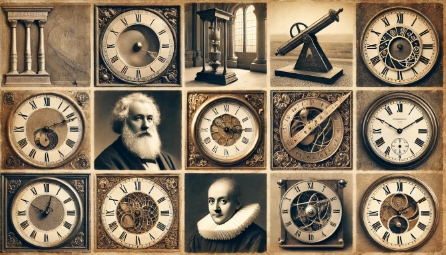
    The story of the clock is one of humankind’s most remarkable achievements — a continuous quest to measure, control, and understand the passage of time. From ancient civilizations’ first attempts to track the movement of the sun to today’s precision quartz and atomic clocks, the evolution of timekeeping reflects centuries of curiosity, craftsmanship, and innovation. The Origins of Timekeeping Long before the invention of mechanical clocks, early societies relied on nature to mark time. Ancient Egyptians and Babylonians used sundials to follow the shadow of the sun, while water clocks (clepsydras) measured time through the steady flow of water. In colder climates, hourglasses filled with sand became a reliable alternative. These early inventions were not true “clocks” as we know them, but they represented humanity’s growing awareness of time’s importance in daily life — from agriculture to worship and governance. The Birth of the Mechanical Clock The first mechanical clocks appeared in Europe around the 14th century, primarily in monasteries and cathedrals. These early clocks were large and weight-driven, using gears and escapements to regulate movement. Though they lacked faces or hands, they marked the hours by ringing bells — a vital tool for calling monks to prayer. The identity of the very first clockmaker is still debated, but early records point to medieval innovators like Giovanni de Dondi in Italy, who designed an astronomical clock in 1364, and Richard of Wallingford in England, who created a sophisticated clock for St. Albans Abbey around 1330. Their inventions laid the foundation for mechanical timekeeping as we know it today. The Renaissance and the Miniaturization of Time During the Renaissance, advances in metalwork and engineering led to the development of smaller, more accurate clocks for homes and personal use. The pendulum clock, invented by Christiaan Huygens in 1656, marked a turning point in accuracy — reducing time errors from hours to mere seconds per day. This innovation paved the way for the rise of decorative wall clocks and mantel clocks, which became symbols of taste and wealth across Europe and Asia. The Industrial Revolution and the Democratization of Time By the 18th and 19th centuries, the Industrial Revolution brought mass production to clockmaking. Factories in Europe and the United States began producing affordable timepieces, allowing ordinary households to own clocks for the first time. Clockmakers such as Eli Terry and Seth Thomas in America transformed the industry by introducing standardized parts and efficient assembly techniques. Clocks evolved from handcrafted art to reliable household essentials. The Age of Quartz and the Rise of Precision The 20th century ushered in a new era of timekeeping. In 1927, engineers Warren Marrison and J.W. Horton at Bell Telephone Laboratories developed the first quartz clock, which used the vibrations of a quartz crystal to maintain precise frequency. This invention revolutionized the industry, leading to compact, affordable, and incredibly accurate clocks. Today, quartz technology remains the backbone of most modern wall and desk clocks, while atomic clocks — first developed in the 1950s — define international time standards with accuracy down to billionths of a second. The Modern Clock: Function Meets Design Modern clockmaking has evolved far beyond pure mechanics. At VirtueTime / Tongyuan Clocks, we combine traditional precision with innovative design and materials — from natural wood finishes and acrylic cases to digital smart clocks with temperature, humidity, and USB charging functions. Our mission is to continue the legacy of clockmaking by creating timepieces that not only measure time but also enhance the beauty and energy of every space. A Timeless Invention The invention of the clock was not a single moment but a journey spanning thousands of years — a collaboration of cultures, scientists, and craftsmen. From sundials to quartz, each stage of this journey brought us closer to mastering one of life’s greatest mysteries: time itself.   To explore modern wall and table clocks inspired by centuries of innovation, visit www.tongyuanclock.com  
    Read More
  • The History of Wall Clocks: A Journey Through Time
    The History of Wall Clocks: A Journey Through Time
    Oct 29, 2025
    Wall clocks have long been more than just tools for telling time — they are reflections of human creativity, technological innovation, and cultural taste. From the earliest mechanical devices to the sleek modern designs that adorn today’s interiors, the story of the wall clock is truly a journey through time. The Origins of Timekeeping The history of wall clocks begins with humanity’s early attempts to measure time. Ancient civilizations used sundials, water clocks, and hourglasses to track the passing hours. These early instruments laid the foundation for the mechanical innovations that would follow in Europe centuries later. By the 14th century, mechanical tower clocks began appearing in churches and town squares across Europe. These monumental timepieces, often operated by heavy weights and gears, marked the beginning of the mechanical clock era. The Birth of the Domestic Wall Clock As mechanical clockmaking advanced, craftsmen began creating smaller, more precise timepieces for private homes. In the 17th and 18th centuries, pendulum clocks became symbols of status and accuracy. The introduction of the wall-mounted design allowed families to enjoy precise timekeeping without taking up valuable floor space. Wooden frames, ornate carvings, and brass pendulums characterized these early wall clocks, which were often treasured family heirlooms passed down through generations. The Industrial Revolution and Mass Production The 19th century brought the Industrial Revolution, which transformed clockmaking forever. Factories in Europe and America began producing wall clocks on a large scale, making them affordable and accessible to the public. Innovations such as the spring-driven movement and improved manufacturing methods enabled thinner, lighter, and more reliable wall clocks. This era also introduced the concept of standard time, linking clocks to the rhythm of modern life. The Rise of Design and Functionality In the 20th century, wall clocks evolved beyond practicality and became integral parts of interior design. Art Deco, Bauhaus, and Mid-Century Modern movements inspired sleek geometric shapes and minimalist aesthetics. Plastic, metal, and later acrylic materials gave designers freedom to experiment with color, texture, and form. Electric and quartz technology revolutionized timekeeping once again, providing near-perfect accuracy and silent operation. The wall clock became not only a household essential but also a statement of taste, culture, and personality. Wall Clocks in the Modern Era Today, wall clocks continue to blend tradition with innovation. Designers experiment with materials like wood, marble finishes, aluminum, and transparent acrylic, while incorporating smart features such as digital displays, USB charging, and temperature sensors. At VirtueTime / Tongyuan Clocks, we honor this long legacy by crafting modern wall clocks that combine aesthetic beauty with reliable precision. Our collections include everything from classic quartz styles to creative art-inspired designs, ensuring that each clock adds both function and character to any space. Timeless Beauty, Continuous Innovation From pendulums to quartz, from intricate wood carvings to minimalist metal frames, wall clocks have always mirrored humanity’s desire to balance form and function. Each tick represents progress — a reminder that while time moves forward, craftsmanship and creativity remain timeless.   To discover your own piece of history, explore Tongyuan Clock’s modern and classic wall clock collections — where design, precision, and tradition come together beautifully.Visit: www.tongyuanclock.com  
    Hot Tags : Wall clocks
    Read More
  • The Role of Wall Clocks in the Feng Shui of Your Home
    The Role of Wall Clocks in the Feng Shui of Your Home
    Oct 29, 2025
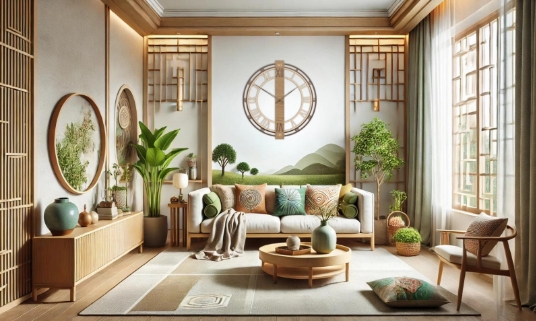
    In Feng Shui, every object in your living space carries energy — and few items represent the flow of time and life as powerfully as a wall clock. Beyond their practical use, wall clocks influence the rhythm, harmony, and emotional atmosphere of a room. Choosing and placing them wisely can help balance your home’s energy and support success, health, and peace of mind. 1. The Symbolism of Time and Energy Flow In Feng Shui, clocks symbolize the passing of time and the movement of life energy (Chi). A well-placed clock keeps the household’s energy active and vibrant. However, broken or stopped clocks represent stagnation, delays, or lost opportunities — so it’s essential to keep all clocks running accurately and replace batteries promptly. A clock’s steady rhythm can also remind us to live mindfully, respecting both our time and the time of others. 2. Ideal Locations for Wall Clocks Correct placement is key to good Feng Shui. Here are a few traditional guidelines: Living Room: A clock here promotes energy flow and family harmony. Choose a simple, round design with a warm tone to attract positive Chi. Office or Study: Placing a clock in front of your desk helps maintain focus and awareness of time, symbolizing productivity and motivation. Dining Area: A clock in this space should be subtle — it reminds us to value family time and nourishment without creating tension. Avoid the Bedroom: Clocks here can disturb sleep and create subconscious pressure about time. If you must keep one, select a silent or digital model with a calm design. 3. Choosing the Right Shape and Material Different materials and shapes carry unique Feng Shui meanings: Round Clocks – Represent continuity and harmony; ideal for family areas. Square Clocks – Symbolize stability and grounded energy; suitable for offices or studies. Metal Frames – Linked with clarity and precision; enhance focus and decision-making. Wood Finishes – Evoke growth and vitality; perfect for living rooms or east-facing walls. Acrylic or Glass Designs – Reflect modernity and light, helping spaces feel open and energized. 4. Color and Direction Matter Each color in Feng Shui corresponds to one of the five elements — Wood, Fire, Earth, Metal, and Water — and aligns with specific directions: East (Wood Element): Choose green or brown clocks to encourage growth and family health. South (Fire Element): Red or orange tones bring fame and passion. West/Northwest (Metal Element): White, gold, or silver promote creativity and helpful relationships. North (Water Element): Blue or black supports career success and flow. 5. Balance Function and Beauty A clock that is beautiful, silent, and accurate brings both aesthetic harmony and energetic balance. At VirtueTime / Tongyuan Clocks, our modern wall clocks — from minimalist marble designs to wooden, metal, and acrylic finishes — combine timeless craftsmanship with positive energy flow. Each piece is designed to enhance your décor while harmonizing the rhythm of your home. Final Thoughts In Feng Shui, the clock isn’t just a tool — it’s a symbol of life, motion, and opportunity. By choosing designs that reflect balance, placing them mindfully, and keeping them in perfect working order, you invite continuous energy and prosperity into your living space. So next time you hang a clock, remember: you’re not just tracking time — you’re shaping the flow of harmony in your home.   Explore Tongyuan Clock’s collection of modern and traditional wall clocks to find the perfect piece that complements both your décor and your energy.Visit: www.tongyuanclock.com  
    Read More
  • Where to Hang the Wall Clock in the Living Room as per Vastu
    Where to Hang the Wall Clock in the Living Room as per Vastu
    Sep 30, 2025
      Incorporating Vastu Shastra principles in the placement of wall clocks can significantly influence the flow of positive energy within a living space. Understanding the right direction, position, and design for wall clock placement is not only about aesthetics but also about attracting abundance and prosperity. This article guides you through the Vastu-compliant ways to hang a wall clock in your living room, ensuring it aligns with the principles of this ancient Indian science to foster a harmonious and balanced environment.   Key Takeaways The North and East walls are ideal for hanging wall clocks, as per Vastu, with the North wall potentially attracting wealth. Clocks should be positioned at eye level, ensuring they are visible from most parts of the living room for optimal Vastu alignment. Choose wall clock designs and colors that resonate with positive energy, and consider smooth, silent movements to maintain a serene atmosphere. Regular maintenance and cleaning of wall clocks are essential, and they should always display the correct time or be set a minute or two ahead. In the bedroom, wall clocks should be placed on the North wall, allowing visibility from the bed and aligning with Vastu principles for a restful sleep. The Ideal Wall Clock Directions In Home As Per Vastu Understanding the Significance of North and East Walls When you’re considering where to hang your wall clock in the living room, the North and East walls are your go-to choices. According to Vastu Shastra, these directions are associated with prosperity and success. Hanging a clock on the North wall is believed to attract wealth, which is why it’s often recommended for living spaces. In contrast, the East wall represents health and overall progress. It’s the direction where the sun rises, symbolizing new beginnings and positive energy. So, placing your clock here can help maintain the flow of positive vibes throughout your living room. Remember, the placement of your clock can complement the auspiciousness of a North or East entrance, enhancing the benefits further. Ensure that your clock is always in working condition and set to the correct time, as a non-functional clock can symbolize stagnation. Here’s a quick checklist to ensure your wall clock placement aligns with Vastu principles: Position the clock on the North or East wall for prosperity and health. Avoid placing heavy furniture or articles on the North or North-East side; if necessary, elevate them slightly. Ensure the clock is visible from key areas in the room to maintain its influence. Why You Should Avoid South and West Walls When it comes to placing your wall clock, steer clear of the South and West walls. These directions are often associated with negative energy, which can impact the harmony of your living space. Vastu principles suggest that these walls may obstruct the positive flow of energy within your home, leading to a less vibrant atmosphere. South Wall: Can lead to mishaps and increase in family sickness. West Wall: May cause wastage of precious time and distractions. It’s not just about where you place your clock, but also how it influences the energy of your daily life. Choose your wall clock’s position wisely to ensure it brings balance and positivity. Remember, the goal is to create an environment that supports well-being and prosperity. If you find yourself with no other option but to use the West wall, make sure to compensate with other Vastu-aligned elements in your living room. The Last Resort: Opting for the West Wall When the North and East walls are not an option for your wall clock, turning to the West wall is your last resort. Remember, the West is not your first choice, but it can still harmonize with Vastu principles if done correctly. Here’s how to make the best of this situation: Ensure the clock is placed at eye level, promoting balance and focus. The clock should be visible from key areas of the living room to maintain the flow of positive energy. Opt for a clock design that complements the West direction, such as one with metallic or earthy tones. While the West wall may not be the ideal direction, it can still support the overall Vastu of your living space when you follow these guidelines. It’s important to keep in mind that the West wall should be a thoughtful consideration, not a hasty decision. Take the time to assess your living room’s layout and choose a clock that not only fits the space but also aligns with Vastu principles for a tranquil and prosperous home environment.   The Importance of Eye-Level Placement When it comes to hanging your wall clock, eye-level placement is key. This isn’t just about aesthetics; it’s about creating a space where the flow of energy is harmonious and beneficial to you and your family. A clock positioned too high or too low can disrupt this balance and may even cause a sense of disquiet. Here’s why eye-level placement works best: It’s easily visible, so you can quickly glance at the time. It aligns with the natural line of sight, reducing strain on your neck and eyes. It integrates seamlessly into the living space, maintaining the room’s aesthetic and energetic balance. Remember, the clock is not just a functional item; it’s a part of your living space that interacts with the energies around it. Ensuring it’s at the right height is a simple yet effective way to enhance the Vastu of your home. Ensuring Visibility from Key Areas in the Room When placing your wall clock, it’s crucial to ensure that it’s visible from all the key areas of your living room. Think about where you spend most of your time whether it’s the sofa, the dining area, or even the study corner. The clock should be positioned in such a way that a quick glance can tell you the time without having to search for it. Here’s a simple checklist to help you with placement: The clock should be visible from the main seating area. Ensure it can be seen from the dining space, if applicable. Position the clock to be visible from any work or study area in the room. Remember, the goal is to blend functionality with the principles of Vastu. A well-placed clock not only tells time but also harmonizes with the energy of your space. Adjusting Wall Clock Height for Optimal Vastu Alignment When it comes to aligning your wall clock with Vastu principles, height is not just a matter of convenience; it’s a conduit for positive energy flow. The ideal height for your wall clock is at eye level, ensuring it’s neither too high nor too low. This placement allows for a balance of energies and symbolizes stability in life. Ensure the clock is easily visible from key areas within the living room. Avoid placing it directly above or opposite to a door. The clock should not face a bathroom or be in line with any. By positioning your wall clock at the right height, you’re not just telling time; you’re aligning with the cosmic rhythm of the universe. Remember, the goal is to create a space where timekeeping contributes to a serene and prosperous environment. Regularly check that the clock is functioning correctly and reflects the accurate time, as this is essential for maintaining the positive energy in your home. Selecting the Appropriate Wall Clock Design Choosing Colors and Designs That Foster Positive Energy When it comes to infusing your living space with positive energy, the colors and designs of your wall clock play a pivotal role. Opt for hues that evoke tranquility and happiness, such as light blue, green, or pink, which align with Vastu principles for creating a serene atmosphere. Darker shades, on the other hand, may dampen the vibrant energy you’re striving to cultivate. Here’s a quick guide to Vastu-friendly colors for your wall clock: Light Blue: Symbolizes peace and calmness. Green: Represents healing and freshness. Pink: Encourages love and positivity. Remember, the design of your clock should be simple and uncluttered. A minimalist approach helps maintain a sense of order and harmony in your living room. In addition to color, the material of your clock can influence the energy it brings into your home. For instance, clocks made of wood can introduce an element of nature and warmth. Be mindful of the quality and craftsmanship of the clock, as well-made items resonate with the concept of stability and longevity in Vastu Shastra. The Benefits of Smooth and Silent Clock Movements When you’re selecting a wall clock for your living room, you might not immediately think about the sound it makes. Yet, the gentle hum of a silent clock can be a soothing presence in your home. A clock with a smooth and silent movement is more than just a timepiece; it’s a contributor to the calm and serenity of your space. Here’s why a silent clock is a wise choice for Vastu alignment: It prevents the disruption of tranquility, allowing for a peaceful atmosphere. It avoids the creation of a sense of unease that can come from the ticking sound. It complements the peaceful ambiance you’re striving to create in your living room. Remember, the goal is to enhance the positive energy flow in your living room. A silent wall clock aligns with this objective by maintaining a quiet environment, which is essential for relaxation and well-being. Make sure to choose a clock that not only tells time but also tells a story of peace and harmony. After all, your living room is a sanctuary where every element, including your wall clock, should resonate with positive energy. Pendulum Clocks: A Vastu-Friendly Choice for the East When you’re considering adding a pendulum clock to your living room, you’re in luck if you’re looking to align with Vastu principles. Placing a pendulum clock on the eastern wall of your living room is considered auspicious and can contribute to the flow of positive energy throughout your space. The rhythmic swing of the pendulum is believed to enhance the energy dynamics, especially in the East, which is associated with growth and prosperity. The gentle motion of a pendulum clock not only adds a visual element of calm but also resonates with the natural energies of the East, promoting harmony and balance in your living area.    
    Hot Tags : wall clock designs
    Read More
  • Wall Clock Direction as per Vastu Shastra
    Wall Clock Direction as per Vastu Shastra
    Sep 30, 2025
    attention to the direction of these wall clocks, but as per Vastu Shastra, each element around you should be in the correct direction to balance the energy in the environment. Clocks represent continuous progress and positivity, and the incorrect placement of a wall clock can result in stagnant energy and delays in life. In this blog, we will talk in detail about the wall clock direction as per vastu and some tips to help with clock vastu. Vastu Shastra is the ancient science of architecture that focuses on the correct layout, structure, and placement of elements around you. The right placement brings positive energy and prosperity in your life. It creates a balance of energies around you. Significance of Wall Clock in Vastu Wall clocks symbolize progress and growth in life. The correct placement of the clock around you impacts the movement in your life. A wrongly placed clock can invite obstacles and blockages in your progress. The correct placement of the wall clock will balance growth, joy, and success in life. As per beliefs, the harmonious flow of time in your home will result in a smoother journey of life and will accelerate life. Directions for Wall Clock Placement  The correct placement of a wall clock is essential for its benefit and balance of energy in your home. Let us look at the directions you can and cannot use for a wall clock.  North Direction  In Vastu Shastra, the north direction holds great significance as it is ruled by Lord Kubera, the deity of wealth and prosperity. Hanging a wall clock on the northern wall is considered highly auspicious. It is believed to attract positive energy, enhance financial growth, and support career advancement, inviting abundance and success into your life. A wall clock in this direction will maintain a stable financial energy around you. Use clocks with metallic colors like gold, silver, or shades of white to hang on this wall.   East Direction for Wall Clock The east direction is associated with Lord Indra, the king of the gods. This direction signifies the rising sun, which makes it suitable for welcoming new opportunities. Hanging the wall clock in the east direction will invite good health and new thoughts to you and your family members. The wall clock on the east wall can become a strong symbol of motivation and strengthen family relations. Buy clocks with the earthy and wooden tones of colors to hang on this wall.  West Direction Though north and east are the recommended directions for a wall clock, if not possible, then you can also opt for the west direction. It is not a very powerful direction for wall clocks, but it helps provide stability and enhance social ties. Opt for neutral colors like white, beige clocks in this direction.  Avoid the South Direction As per Vastu, you should avoid hanging the wall clock in the south direction. Hanging the wall clock can spread stagnant energy and also lead to setbacks and loss of opportunities. If your clock is in this direction, then balance this by adding vastu favourable items in this direction.  Tips for Wall Clock Vastu  Let us go through some tips that can help you with the vastu of your wall clock.  Keep the Clock Always Working: A stopped clock invites negativity and is a symbol of stagnant energy. This can lead to a halt in your progress and good fortune.  Set correct time: The clock around must be set to the correct time. You can keep the time a few minutes ahead, but not lagging. This represents missed opportunities.  Positioning of Clock: Hang the clock at a right distance that is neither too low and close to floor, nor to high. Choose the correct Shape: Choose the shape of the clock carefully. As per vastu, round clocks are the best, as they symbolize balance and continuity. You can also choose square-shaped wall clocks, but make sure their edges are smooth. Do not go for clocks with irregular shapes and sharp edges in your home.  Material and Color of Wall Clock: For north-facing walls, go for metallic or grey and silver colored clocks. Go for clocks with a wooden finish for the east walls. Pendulum Clocks: The clocks with pendulums are excellent for promoting active energy and are highly beneficial.  Mistakes to Avoid with Vastu Wall Clock Now that you know why and where you should place a wall clock in your home, let us look at some things you should avoid with a wall clock as per Vastu Shastra.  Do not hang clocks that have signs of wear and tear or whose glass is broken.  Avoid placing a clock directly opposite a mirror. The mirror opposite to a clock will reflect the energy of the clock which causes instability. Do not hang clocks that make a loud ticking sound in your bedroom, as these can cause restlessness. Avoid hanging clocks with incorrect times and dead batteries.  As per vastu, you should avoid placing a wall clock directly above doors and entrances. It symbolizes time escaping or running out.  Having things around you as per Vastu Shastra is not just about superstition, it is about having things in the direction to allow seamless flow of energy. The correct placement of a wall clock around you will help in accelerating growth, progress, and positivity in life. Though if we talk simply, then north and east are the best directions, in this block, we talked in detail about the wall clock direction as per vastu. Along with that, we also looked at tips for a vastu wall clock and things you should avoid with a wall clock in your home. We hope these tips and ideas help you position the clock correctly in your home or office. 
    Hot Tags : Wall clocks
    Read More
  • Wall Clock Direction As Per Vastu: Do’s & Don’ts For Every Home
    Wall Clock Direction As Per Vastu: Do’s & Don’ts For Every Home
    Sep 30, 2025
    According to Vastu, placing a wall clock in the north or east directions attracts wealth and good fortune. The gentle ticking of a clock carries a distinct rhythm, a subtle reminder of how quickly time passes. Even though smartphones and digital devices have diminished the need for wall clocks, they still remain cherished décor pieces in many homes. Beyond aesthetics, according to Vastu Shastra, the correct placement of a wall clock can influence the energy and harmony within a living space. Placing the wall clock according to Vastu principles helps maintain positive vibes, invites prosperity, and promotes a sense of well-being. On the other hand, positioning it incorrectly could disturb the energy flow, leading to negative effects. Let’s explore the best Vastu practices for wall clock placement, ideal designs, and essential dos and don’ts. Significance of Wall Clocks in Vastu In Vastu Shastra, every direction is governed by specific elements and deities, influencing how energies flow within a home. Objects like wall clocks, symbolic of movement and time, are believed to affect this energy significantly. When placed correctly, a wall clock can: Balance and harmonize the energy by aligning with the five elements of nature. Promote prosperity by attracting wealth-related energies, especially when placed in auspicious directions like north, ruled by Kubera, the lord of wealth. Enhance the flow of positive energy, reflecting progress and order in daily life. Symbolize personal growth and discipline, serving as a subtle motivator to value time. Best Directions for Wall Clock Placement North The north direction is considered the most auspicious for placing a wall clock. Governed by Kubera, placing a clock here is believed to attract wealth, prosperity, and financial growth. East If the north wall is unavailable, the east wall is the next best option. Ruled by Indra, the king of gods, the east direction promotes harmony, success, and good fortune. West Although not as favorable as north or east, the west wall is an acceptable alternative. It is associated with Varun, the lord of rains, and symbolizes stability and emotional balance. Orient (Eastern World) In eastern philosophy, the east is known as the "Orient" and considered highly auspicious. Placing a wall clock on the east side encourages improvement in personal actions and enhances relationships.   Watch Placement Tips as Per Vastu For wristwatches, it is best to store or wear them aligned with the north direction to invite prosperity. Avoid keeping watches under your pillow while sleeping, as this can disturb sleep and attract negative energy. Best Locations for Wall Clock Living Room: Ideal for placing a wall clock, preferably on the north or east walls. Bedroom: Suitable if aligned correctly with Vastu rules (north or east walls). Keep it away from the bed and avoid reflective surfaces facing the bed. Mandir or Prayer Room: A simple clock with auspicious colors can be placed here, enhancing the spiritual vibe. Where to Avoid Placing Wall Clocks South, Southwest, and Southeast Walls: These directions are linked to unfavorable energies and can bring financial difficulties, stagnation, or health issues. Above Main Entrance or Doors: Hanging a clock above the entrance or door frames is discouraged, as it disrupts energy flow. Near Electrical Appliances: Wall clocks should not be placed close to wires, plugs, or heavy electrical equipment. Dining Room: Avoid wall clocks in the dining area, as they can disturb the nurturing energy associated with meals. Center of the House (Brahmasthan): This sacred zone should remain clear to maintain a strong energy center. Bathrooms and Outdoor Spaces: Bathrooms and areas like balconies or gardens are unsuitable for wall clocks according to Vastu. Cluttered or Sharp Objects: Wall clocks near clutter or sharp objects can disrupt the positive energy. Opposite Mirrors: Positioning a wall clock directly facing a mirror is believed to reflect and multiply negative energies. Wall Clock Placement in Bedrooms When placing a wall clock in the bedroom, it is recommended to choose the north or east wall. If your bed is positioned with the head pointing south, the clock should be on the north or east wall to maintain harmony. Avoid placing clocks directly opposite the bed or bedroom door. Keep the design simple and ensure it is installed away from the bed to promote peaceful sleep and positivity. For newlyweds, it is advised to place the wall clock away from the eastern side of the bed.   Choosing the Right Wall Clock for Your Home Design and Shape Simple, elegant wall clocks are the best choice. Round clocks are especially recommended, as the circle symbolizes completeness and positive flow. Avoid irregular or asymmetrical designs. Material Antique or Pendulum Clocks: Pendulum clocks are excellent for energy flow but should be avoided in bedrooms. Best placed on east walls in living areas. Metallic Clocks: Suitable for the north wall. Choose grey, silver, or white shades. Wooden Clocks: Ideal for east walls. Sound Select clocks that produce pleasant, melodious sounds. Avoid clocks that emit loud, harsh ticking, as it can disturb the serene atmosphere. Colors Choose light and auspicious colors depending on the clock’s direction: North, East, Northeast: Yellow, brown, or off-white shades are favorable. Size Wall clock sizes usually range between 6 to 18 inches. Select a clock that complements the room size — avoid oversized clocks in small rooms to maintain visual balance and positive energy. Vastu Tips for Wall Clocks Always ensure clocks are in working condition and showing the correct time. Replace batteries promptly and repair any malfunctioning clocks. Keep the clocks and their surrounding areas clean and dust-free. Set clocks a few minutes ahead of actual time for better fortune and time management. Avoid clocks depicting negative themes like war, loneliness, or sadness. Limit the number of clocks in a single room to prevent energy imbalance.   Bringing Prosperity with Wall Clock Placement According to Vastu, placing a wall clock in the north or east directions attracts wealth and good fortune. North, governed by Kubera, is ideal for financial prosperity, while east, ruled by Indra, supports overall success and well-being. West, associated with stability, can be considered as a secondary option if needed. Even though the digital age has minimized the utility of traditional clocks, a beautifully placed wall clock can still bring immense aesthetic and energetic value to your home. By following these Vastu principles, you can ensure that this simple piece continues to inspire positivity, growth, and prosperity in your life.
    Hot Tags : Wall clocks
    Read More
1 2 10 11 12 13 14 15 16 23 24
A total of24pages

Leave A Message

Leave A Message
If you are interested in our products and want to know more details, please leave a message here, we will reply you as soon as we can.
Submit

Home

products

whatsApp

contact