Tongyuan Electronic Co., Ltd.
Blog

Blog

Home

Blog

  • Top Printing Techniques for Custom Wall Clock Dials
    Top Printing Techniques for Custom Wall Clock Dials
    Aug 19, 2025
    When a shopper checks the time, your dial is the stage where legibility, brand color fidelity, and finish quality all perform together. Choosing the right printing method is the difference between a clock that looks premium for years—and one that fades, peels, or simply feels “off.” This guide breaks down the leading dial-printing techniques, where each shines, and how to pick the best fit for your retail brand. Common Dial Substrates (What we print on) Paper insert (with lens): Cost-effective, great for mass retail. ABS/PS plastic dial: Durable, easy to assemble, accepts many inks. Glass dial (back-printed): Premium, scratch resistant; needs proper adhesion. Aluminum dial: High-end, excellent dimensional stability and heat resistance. Wood veneer/MDF: Warm, natural look; benefits from sealing/clear coats. 1) Screen Printing (Silkscreen) Best for: Solid spot colors, bold numerals/markers, high durability on plastic, glass, or metal.How it works: Ink is pushed through a stencil (screen) onto the dial; one screen per color.Pros Strong, opaque spot colors (including Pantone, metallics, fluorescents). Excellent outdoor/UV durability with the right inks and topcoat. Economical at medium–large runs.Cons Each color adds setup time and cost; large gradients/photographic images are harder.Pro tips Keep hairlines ≥ 0.3–0.4 mm for clean numerals. Use registration marks and color trapping for multi-color dials. 2) UV Flatbed Printing (Direct-to-Substrate) Best for: Short runs, variable artwork, photo/gradient dials, textured effects.How it works: CMYK (often CMYK+White+Varnish) inks cure instantly under UV.Pros Prints directly on plastic, glass (with adhesion promoter), metal, wood. White ink allows vivid prints on dark/translucent materials. Add spot varnish or subtle texture for premium detail.Cons Adhesion depends on pre-treatment; edges need proper cure.Pro tips Request an adhesion/cross-hatch test on your actual substrate. For glass, specify back-print + white flood + protective clear. 3) Offset Lithography (for Paper Dials) Best for: Very high volumes with photographic complexity and tight unit costs.How it works: High-resolution CMYK on coated paper, then laminated or varnished.Pros Sharp detail at low per-unit cost for large orders. Consistent color across runs with proper proofing.Cons Paper insert requires moisture/UV protection to avoid warping/fading.Pro tips Add matte anti-glare film for legibility under bright lights. Specify UV-resistant inks for window displays. 4) Pad Printing (Tampo) Best for: Small logos, indices, or icons on curved/recessed areas (bezels, domed parts).How it works: A silicone pad transfers ink from an etched plate to the part.Pros Excellent on complex shapes and small areas.Cons Not ideal for full-surface dial coverage or large gradients.Pro tips Great companion to screen printing: screen the dial, pad-print a metallic logo. 5) Dye-Sublimation (on Polymer-Coated Aluminum/MDF) Best for: Photo-quality, edge-to-edge prints on metal or MDF with rich color depth.How it works: Ink is heat-transferred into a special coating, becoming part of the surface.Pros Smooth, continuous tones; very resistant to scratching/peeling.Cons Whites come from the coating, not ink—no metallics, and deep blacks may skew warm if not profiled.Pro tips Calibrate carefully; request a hard proof on your exact coated panel. 6) Hot Foil Stamping (Metallic & Specialty Effects) Best for: Premium metallic numerals/indices, logos, rings.How it works: Heat + pressure bond metallic or pigment foil via a custom die.Pros True metallic brilliance; high perceived value.Cons Requires tooling; tight alignment needed with printed artwork.Pro tips Combine with screen print for base graphics, then foil the key accents. 7) Hydrographics (Water-Transfer Printing) Best for: All-over patterns (marble, carbon fiber, wood-grain) on dials or bezels.How it works: Pattern floats on water; part is dipped so the film wraps around.Pros Seamless wrap on 3D forms.Cons Requires clearcoat for durability; pattern registration to numerals is tricky.Pro tips Use hydrographics for the bezel/case, then screen-print a clear, high-contrast dial. 8) Decal / Waterslide Transfers (Then Clearcoated) Best for: Low-MOQ premium marks on glass or metal; intricate crests.How it works: Printed decals are applied and sealed with a protective clear.Pros Fine details without heavy tooling costs.Cons Added process steps; requires careful clearcoating to protect edges.Pro tips Ideal for limited editions or boutique runs. 9) Laser Marking / Engraving (Bonus: Not Printing) Best for: Metal dials/plaques with ultra-sharp, permanent markings.Pros Extremely durable, precise; can be color-filled after engraving.Cons Not for photographic art; mainly line art, numerals, or scales.Pro tips Pair a brushed aluminum dial with laser-engraved indices for a minimalist luxury look. Quick Selection Matrix Scenario / Goal Best Methods Notes Bold, high-contrast retail dial (ABS/PS) Screen Printing Pantone spot colors; durable; cost-effective mid–high runs Short run, photo/gradient artwork UV Flatbed CMYK+White; textures/varnish; validate adhesion Very large volume, photo detail (paper insert) Offset Litho Laminate + anti-glare; strong QC on color Metallic numerals / premium accents Hot Foil (+ Screen) Requires die; stunning brand impact Patterned look (wood/marble) on case/dial Hydrographics Add protective clearcoat Boutique logos on glass/metal, low MOQ Decal Transfer Clearcoat for longevity Industrial, permanent marks on metal Laser Engraving Can color-fill; ultra-durable File Prep & Color Management (Save headaches later) Vectors first: Supply AI/SVG/PDF with text outlined; raster elements ≥ 300–400 dpi at 100% scale. Pantone callouts: Provide PMS refs for brand colors; specify coated/uncoated. Safe zones: Keep numerals/markers inside the dial’s safe area; add 1–2 mm bleed where needed. Minimums: Hairline ≥ 0.3–0.4 mm; negative text ≥ 0.5 mm stroke. Proofing: Approve 1:1 paper mockup on the wall for legibility, then a pre-production sample on the real substrate under retail lighting. Durability & QC Checklist Adhesion: Cross-hatch/tape test on actual substrate. Abrasion: Finger-rub/scratch test; lens contact points. Lightfastness: UV exposure check to guard against fading. Cleaning resistance: Test with common cleaners/microfiber. Color delta: Measure ΔE vs. brand targets where applicable. Assembly fit: Verify hand clearance and no ink ridges causing interference. Lead Time & Cost Drivers Setup/tooling: Screens, foiling dies, jigs. Color count & special inks: Metallics, fluorescents, white, spot varnish. Substrate: Glass and metal need pretreatments/primers. Run size: UV/digital suits small runs; screen/litho are efficient at scale. Finishing: Clearcoats, anti-glare films, emboss/foil combos. What We Recommend (by use case) Mass retail, everyday brand clock: Screen print on ABS/PS with anti-UV inks + matte lens. Boutique/premium: Back-printed glass via UV (with white + protective clear) or aluminum with laser + fill; add hot foil on indices. Campaign/seasonal art: UV flatbed for fast turns and variable graphics; or offset for very high volumes. Patterned décor lines: Hydrographics on bezel + simple high-contrast dial print. Work with VirtueTime Electronics   As an OEM/ODM partner, we support screen, UV flatbed, offset/paper, pad printing, hot foil, hydrographics, decal transfer, and laser marking, with in-house color matching and pre-production sampling. Share your brief (size, substrate, brand colors, finish), and we’ll recommend the print stack that balances cost, durability, and brand impact—then prototype it fast.  
    Read More
  • How to Design a Custom Wall Clock for Your Retail Brand
    How to Design a Custom Wall Clock for Your Retail Brand
    Aug 19, 2025
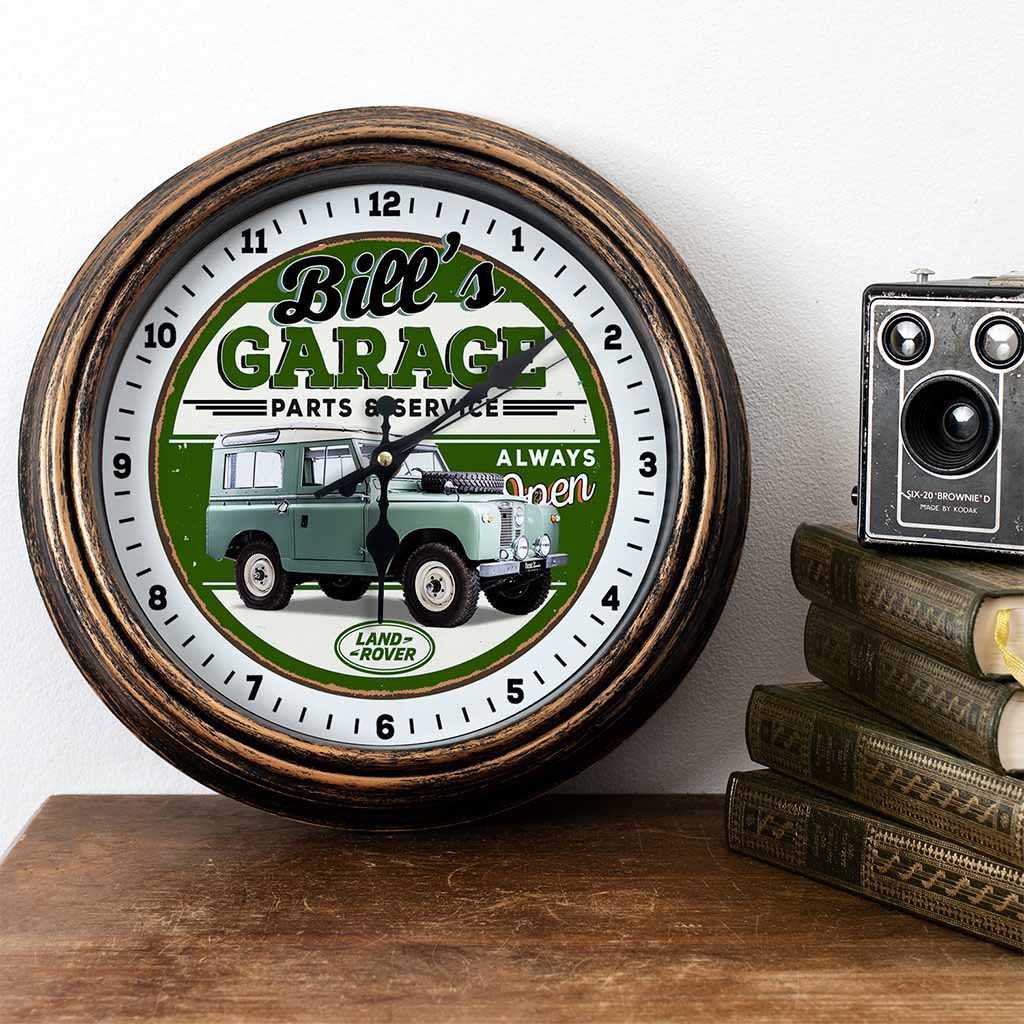
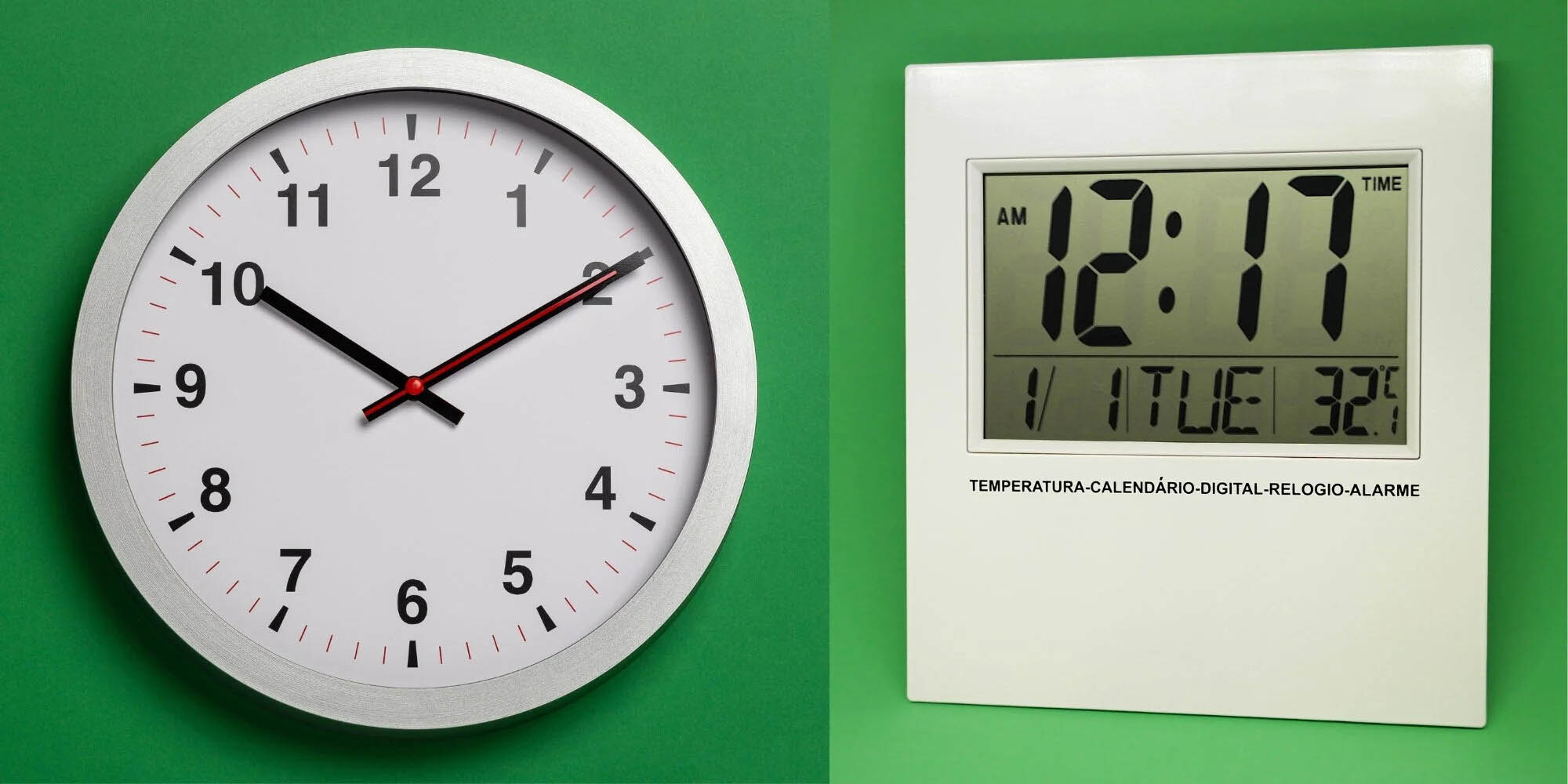
    A well-designed custom wall clock does more than tell time—it anchors your brand in every glance. In retail spaces, offices, cafés, and clinics, a clock can quietly deliver thousands of impressions a day while improving the environment’s professionalism and flow. Here’s a practical, step-by-step guide to designing a custom wall clock that’s beautiful, legible, durable, and true to your brand. 1) Start with a clear brief Define the job of the clock before you sketch anything. Primary goal: décor statement, wayfinding, campaign promo, or corporate identity? Placement & distance: reception, cash wrap, aisle endcap, meeting room. Estimate the typical viewing distance to size the dial, numerals, and logo. Audience needs: quiet for clinics/libraries; high-contrast for schools/warehouses; premium finishes for hospitality. Deliverable: a one-page brief covering size, location, brand guidelines, timeline, and budget. 2) Choose the form factor Analog vs. digital Analog: timeless, décor-friendly; choose if you want a softer interior feel. Digital: at-a-glance precision, large numerals; great for retail back-of-house, production floors, or modern interiors. Shape & size Round (Ø 30–35 cm) suits most interiors; square/rectangular feels modern/architectural. For long viewing distances, scale up to Ø 40–50 cm or pick large-digit digital models. Lens Acrylic/PC: lightweight and shatter-resistant; glass: premium feel and scratch resistance. Specify anti-glare for bright, windowed spaces. 3) Dial layout and legibility Numerals/markers: Arabic numerals are fastest to read. If you prefer minimalist markers, keep them bold and evenly spaced. Hands: high contrast against the dial; avoid ultra-thin hands. Consider a sweep second hand (silent) where precision or calm ambience matters. Contrast & color: lock in strong foreground/background contrast (e.g., dark hands on a light dial). Avoid low-contrast brand palettes on critical info. Hierarchy: time first, logo second. If you add calendar/temp icons, keep them small and peripheral. Quick sizing cue: plan text/mark heights for legibility at your target distance; test prints on the wall at 1:1 scale. 4) Logo, colors, and brand elements Logo size: target 10–20% of the dial diameter; don’t crowd numerals. Placement: top center or lower center; keep a safe area so hands never obscure the mark. Brand color fidelity: request PMS/spot color matching or calibrated CMYK/UV printing; consider raised or metallic logos for premium editions. Dial finishes: matte ink for legibility; selective gloss or embossing for subtle depth. 5) Movement, accuracy, and acoustics Quartz step: traditional ticking; fine for busy areas. Quartz sweep (silent): ideal for bedrooms, clinics, libraries, studios. Auto-sync options: radio-controlled or Wi-Fi/NTP for multi-site accuracy and daylight-saving auto-adjust. 6) Power and maintenance AA batteries are simple and widely available. USB-C or rechargeable options reduce battery swaps in high-mount locations. Add a low-battery indicator and include a maintenance note in your rollout SOP. 7) Materials & build quality Housings: ABS for light weight, metal for premium, wood veneer for warmth. Backplate & mounting: include sturdy keyhole mounts and wall anchors; consider a paper drilling template in the box. Durability: UV-stable inks and anti-yellowing lenses extend life in sunlit windows. 8) Smart and multi-site features (optional) Wi-Fi/NTP sync for fleets across stores or offices. App or web panel to set time zones and DST policies. Brand content on digital models (welcome screen, QR to loyalty program). 9) Compliance and documentation Request relevant compliance for your markets (e.g., RoHS/REACH; CE/FCC for connected models). Include manuals, warranty terms, and an inspection checklist in every carton. 10) Packaging & unboxing Branded box with a clean product shot and key benefits. Protection: corner buffers, anti-scratch film, and drop-tested inner trays. What’s inside: clock, mounting template, screws/anchors, quick-start card, and (optionally) batteries. 11) Measuring impact Place a QR code or short vanity URL on the dial backplate or packaging to track sign-ups or redemptions. Use limited-edition dials for campaigns; measure lift via code usage or staff/customer recall surveys. 12) Production checklist (copy, paste, customize) Design Size & shape: ___ Analog/Digital: ___ Dial layout: numerals / markers / minimalist Hands: hour/minute color ___; second hand sweep/step ___ Logo: placement ___; diameter % ___; finish (UV/metallic/emboss) ___ Colors: PMS/CMYK refs ___ Lens: glass / acrylic / PC; anti-glare? ___ Engineering Movement: step / sweep / radio / Wi-Fi/NTP Power: AA / USB-C / rechargeable Materials: housing ___; backplate ___ Mounting: keyhole / bracket; hardware included? ___ Indicators: low battery / DST / sync status ___ Quality & compliance Accuracy test, hand alignment, noise test (silent areas), color proof Certifications required: ___ AQL/inspection plan: ___ Packaging Branded box, protective inserts, wall template, manual, warranty card, spare battery (optional) 13) Timeline & cost drivers Concept & artwork: 3–7 days (faster with full brand kit). Sampling: 7–14 days for printed dials; longer if custom tooling/hands. Mass production: typically 15–35 days depending on volumes and finishes. Key cost levers: size, materials, printing method, custom hands/bezels, smart modules, packaging complexity. 14) Common mistakes to avoid Low contrast between hands and dial. Oversized logos that clash with numerals. Choosing ticking movements for quiet zones. Skipping 1:1 wall print tests before sampling. No plan for mounting hardware or maintenance. Final thoughts Designing a custom wall clock is equal parts brand craft and industrial detail. Prioritize legibility, material quality, and long-life finishes; then layer in brand character through color, logo, and subtle textures. The result is a hardworking brand asset that looks great and performs every single day.   If you’d like help, VirtueTime Electronics offers OEM/ODM support—from dial design and color matching to silent movements, smart time-sync, packaging, and multi-site rollouts. Share your brief and we’ll prepare a design mockup and sample plan.  
    Hot Tags : custom wall clock
    Read More
  • Benefits of Custom Wall Clocks with Your Brand Logo
    Benefits of Custom Wall Clocks with Your Brand Logo
    Aug 19, 2025
    Custom wall clocks sit at the sweet spot between useful tool and brand medium. Unlike flyers or digital ads that fade quickly, a well-made clock delivers daily visibility for years—quietly reinforcing your brand every time someone checks the time. Below is a practical guide to why they work, how to design them, and where they deliver the most value. Why wall clocks work for branding High frequency, low intrusion: People glance at clocks multiple times a day; your logo is seen naturally, without interrupting anyone. Longevity: Quality clocks often remain on the wall for 3–5+ years, spreading costs over a long service life. Universal utility: Timekeeping is relevant in every setting—offices, stores, schools, clinics, hospitality—so acceptance rates are high. Ten practical benefits Always-on brand visibilityYour logo, colors, and tagline live in plain sight—no ad blockers, no algorithm changes, and no media fees. Cost-effective impressionsOne-time manufacturing and placement can yield millions of glances over its lifespan, driving a very low effective CPM compared with disposable promo items. Professional space brandingClocks help unify interiors—reception, meeting rooms, production floors—while echoing your brand palette and typography. Functional gift with high retentionAs corporate gifts or trade-show giveaways, clocks are far less likely to be discarded than typical swag, increasing long-term exposure. Behavior & efficiency supportTime cues improve punctuality for meetings, classes, or shift changes. Add second hands or digital seconds where precise timing matters. Wayfinding & trustClear, reliable time displays reduce “What time is it?” friction for guests and customers, subtly elevating perceived professionalism. Customization for any campaignDials can carry campaign messages, QR codes, or seasonal graphics. Limited editions create urgency and collectability. Data-driven promotionsAdd scannable QR codes or unique URLs on the dial/backplate to attribute visits, redemptions, or app installs to a specific placement. Sustainability & compliance optionsChoose recyclable plastics, responsibly sourced packaging, and compliant electronics (e.g., RoHS). Eco notes on packaging reinforce brand values. Scalable deploymentFrom a single office to multi-site retail rollouts, clocks are easy to standardize, ship, and install at scale. Design & specification guidelines Branding & legibility Keep the logo within 10–20% of dial diameter; avoid crowding numerals. Ensure high color contrast between logo, hands, and dial (e.g., dark hands on light dial). Choose Arabic numerals or clear hour markers for quick read; avoid overly decorative fonts. For digital models, use large digits (≥1.5" high) and anti-glare lenses. Movement & acoustics Sweep (silent) quartz for bedrooms, clinics, libraries, studios. Step quartz for general office or industrial use where ticking is acceptable. Radio/Wi-Fi/NTP-sync options for enterprises needing automatic accuracy across sites. Power & maintenance AA battery for simplicity; Type-C rechargeable options for modern installs. If power outlets are available, consider USB-powered clocks to reduce battery handling. Specify low-battery indicator or scheduled battery-change SOPs for facilities teams. Materials & finish ABS for light weight and impact resistance; metal for premium look; wood veneer for warm interiors. Use UV printing or pad printing for logos; laser engraving for metal plaques. Anti-UV inks and anti-yellowing lenses extend cosmetic lifespan in sunlit areas. Safety & compliance Request applicable certifications for your markets (e.g., RoHS, REACH; FCC/CE for smart models). Fire-safe packaging and clear mounting instructions reduce facility risk. Ordering & quality control checklist Brief: size (e.g., Ø 30–35 cm analog or 7–10" digital), brand PMS colors, logo placement, dial layout, movement type, power mode. Artwork: supply vector files (AI/SVG) and brand guidelines; confirm bleed/safe areas. Prototype: approve 1–2 pre-production samples (color, print quality, legibility, noise). Specs sheet: confirm materials, lens type, hands color, finish, packaging, manuals, mounting hardware. Tests: running accuracy, sound level (dB @1 m for silent areas), drop/transport tests, colorfastness. Packaging: brand the box, include message card or QR code for campaign tracking; add spare battery where allowed. QC & AQL: agree on inspection level and defect thresholds; allow third-party inspection. Rollout plan: label cartons by site; include mounting kits; share installation SOPs. Measuring impact (simple methods) QR/URL tracking: unique codes per site or campaign printed on dial/back plate. Offer codes: tie in a small perk (“Show this code at checkout”) to measure redemptions. Recall pulse: quick survey (“Which brand was on the meeting room clock?”) to track memory lift. Operational KPIs: meeting on-time start rate, reduced “what time is it?” chatter, customer feedback. Best-fit use cases Corporate & manufacturing: reception, meeting rooms, break areas, production lines (with seconds or shift markers). Retail & restaurants: visible time reference, seasonal campaign dials, QR to loyalty programs. Healthcare & education: silent sweep, high-contrast dials, clear seconds for procedures or exams. Hospitality: consistent brand across lobbies, conference spaces, and staff zones. Events & trade shows: limited-edition clocks as VIP gifts or raffle prizes. Quick FAQ Q: Analog or digital?A: Analog feels timeless and decor-friendly; digital excels where at-a-glance precision (hours/minutes/seconds) and visibility at distance are priorities. Q: Will the logo be readable from far away?A: Aim for a viewing distance rule of thumb: letter height ≈ viewing distance / 200 (in meters). For a 10 m read, ~50 mm letter height. Q: Can we keep them silent?A: Yes—specify sweep movement and request a sound test (≤20–25 dB at 1 m is typically perceived as “silent” in quiet rooms). Q: What’s a sensible order size?A: For multi-site rollouts, standardize a spec and order by location. Typical lead times run 15–35 days depending on customization and volume. Takeaway   Custom wall clocks turn everyday time checks into brand impressions. With the right design (legible, quiet, durable) and a simple rollout plan, they’re a long-life, low-maintenance branding asset that doubles as décor and operational support.  
    Hot Tags : Custom wall clocks
    Read More
  • What Makes a High-Quality OEM Wall Clock?
    What Makes a High-Quality OEM Wall Clock?
    Aug 06, 2025
      OEM (Original Equipment Manufacturer) wall clocks are a popular choice for companies looking to offer customized, branded timepieces for retail, gifting, or promotional purposes. But in a crowded market, what truly defines a high-quality OEM wall clock? Whether you're a brand sourcing clocks for resale or a business seeking corporate gifts, understanding the elements of a well-made OEM clock ensures you choose products that reflect your standards. Here’s what separates a high-quality OEM wall clock from the rest.   1. Accurate and Reliable Movement Mechanism The movement is the “engine” of any clock — and its quality defines both performance and longevity. What to look for: Quartz movement for dependable, battery-powered precision. Sweep (silent) movement for noise-free environments. Radio-controlled or WiFi synchronization for smart functionality and automatic time adjustment. Tip: Ask for movement brand options (e.g., Taiwan, Japanese, or German mechanisms) depending on your budget and quality needs. 2. Durable and High-Grade Materials The build quality directly affects the product’s lifespan and visual appeal. Premium materials include: ABS plastic for lightweight and cost-effective frames. Metal or aluminum alloy for premium durability and a modern aesthetic. Wood or bamboo for eco-friendly and upscale design. Lens Options: Glass for scratch resistance and clarity. Acrylic for lightweight and impact resistance. 3. Precision Manufacturing and Finishing Attention to detail in assembly and finishing defines premium OEM clocks. Look for: Seamless joints and tightly fitted hands Smooth surface finishing (matte, glossy, brushed, or painted) Clean printing on the dial — no bleeding or misalignment Balanced hands that don’t wobble Quality control processes at the factory level also play a key role. Choose OEM suppliers with strict QC inspection standards at each production stage. 4. Customization Flexibility A high-quality OEM wall clock must offer flexibility for customization — allowing you to align the product with your brand identity. Customizable options include: Logo placement on the dial or back cover Color-matching of frame, hands, and face Dial design, fonts, and numeral styles Packaging and instruction manual branding QR code or message inclusion The best suppliers will support small batch customization and provide digital mockups before production. 5. Smart Features (Optional, but Trending) In 2025, more buyers are requesting advanced features even in analog clocks. Optional high-quality add-ons: Built-in thermometer and hygrometer Digital calendar and alarm functions Remote control and backlight adjustment Voice or app connectivity Offering smart-capable OEM wall clocks will increase your appeal to tech-savvy customers or modern office environments. 6. Certifications and Global Compliance For retail and international distribution, make sure your OEM wall clock complies with relevant safety and environmental standards. Important certifications: CE (Europe) FCC (U.S.) RoHS (restricts hazardous substances) FSC (for eco-friendly wooden clocks) Suppliers that provide test reports or third-party audit records demonstrate reliability and professionalism. 7. Attractive Packaging and Branding Presentation Great OEM products come with great packaging. It enhances the unboxing experience and boosts perceived value. Consider: Branded gift boxes or eco-friendly kraft packaging Instruction manuals in multiple languages Stickers, inserts, or cards with your brand story If you're using clocks as promotional giveaways or retail products, good packaging is a must. Final Thoughts A high-quality OEM wall clock is the result of precise movement, quality materials, excellent finishing, and thoughtful customization. When sourced from a reputable manufacturer, these clocks become more than timekeepers — they become brand ambassadors.   Whether you're a retailer, wholesaler, or brand looking to expand your product line, investing in quality OEM wall clocks ensures your products are trusted, long-lasting, and visually compelling.  
    Read More
  • Wall Clock Buying Guide: Quartz, Silent, or Smart?
    Wall Clock Buying Guide: Quartz, Silent, or Smart?
    Aug 06, 2025
      When choosing a wall clock, it’s easy to assume they’re all the same — just tools for telling time. But in today’s world, wall clocks have evolved into highly functional, beautifully designed, and even intelligent additions to your home, office, or commercial space. With so many types available, how do you choose the right one? This guide compares Quartz, Silent, and Smart wall clocks — helping you decide which type suits your needs, style, and environment. 1. Quartz Wall Clocks – Classic and Reliable What is it?Quartz clocks are battery-powered and use a quartz crystal to keep time. They are known for their accuracy and affordability. Key Features: Affordable and widely available Accurate timekeeping Variety of styles and sizes Often comes with ticking sound Best For: Homes, schools, offices, or public spaces Budget-conscious buyers Bulk or promotional purchases Pros:✔ Economical✔ Easy to maintain✔ Long battery life Cons:✘ Ticking sound may be distracting in quiet rooms✘ Lacks modern features 2. Silent (Sweep Movement) Wall Clocks – Peaceful and Practical What is it?Silent clocks (also known as sweep or non-ticking clocks) feature a second hand that moves continuously without the “tick-tick” sound. Key Features: Quiet operation (no ticking) Quartz-based movement Ideal for noise-sensitive spaces Best For: Bedrooms, study rooms, libraries, therapy centers People who value silence and calm Professional or minimalist interiors Pros:✔ Whisper-quiet✔ Still uses reliable quartz movement✔ Stylish and elegant Cons:✘ Slightly more expensive than regular quartz✘ Fewer models with smart features 3. Smart Wall Clocks – Connected and Feature-Rich What is it?Smart wall clocks are integrated with technologies like WiFi, radio control, app syncing, and even voice assistants. They automatically adjust time and often display additional data. Key Features: Auto time sync (via internet or radio) Multi-function displays: calendar, weather, temperature, timers Some support voice control or app pairing Digital or hybrid displays Best For: Modern homes, tech-savvy users Workspaces that need precision Gifts or promotional items with high perceived value Pros:✔ Always accurate✔ Packed with useful features✔ Sleek, modern design Cons:✘ Higher price point✘ Requires setup and sometimes WiFi✘ Can be too complex for basic users Which One Should You Choose? Use Case   Best Clock Type Quiet Bedroom or Study   Silent Sweep Clock Budget-Friendly Option   Quartz Clock Tech-Savvy or Smart Home   Smart Wall Clock Corporate Gifting   Branded Quartz or Smart Clock Office or Meeting Room   Silent or Smart Clock Decorative Purpose   Depends on style preference   The right wall clock isn't just about telling time — it’s about enhancing your environment, reflecting your personality, and sometimes, showcasing your brand. Whether you need a classic quartz clock, a silent option for serenity, or a smart clock packed with tech features, there’s a perfect model for every need. In short: Quartz = Classic & affordable Silent = Peaceful & elegant Smart = Modern & connected   Need help sourcing quartz, silent, or smart clocks for your business or brand? Get in touch — we offer customizable, wholesale, and OEM options tailored to your market.  
    Read More
  • Top 5 Wall Clock Styles for Corporate Gifting in 2025
    Top 5 Wall Clock Styles for Corporate Gifting in 2025
    Aug 06, 2025
    Corporate gifting is evolving — and in 2025, thoughtful, functional, and aesthetically pleasing items are the new standard. Wall clocks, once considered a traditional or even outdated gift, are making a stylish comeback. With smart features, eco-conscious materials, and customized branding, modern wall clocks are now among the most desirable corporate giveaways. If you’re planning your 2025 gifting strategy, here are the top 5 wall clock styles that will impress clients, partners, and employees alike. 1. Minimalist Analog Clocks — Timeless Sophistication Why it's trending:Clean lines, neutral tones, and subtle elegance define this style. Minimalist analog clocks fit seamlessly into any workspace or home, making them a safe yet stylish gift. Perfect for:Executives, VIP clients, or companies with a modern branding aesthetic. Bonus tip:Add your logo discreetly on the clock face or back panel to maintain the clean look. 2. Smart Digital Clocks — Functional and Future-Ready Why it's trending:These clocks go beyond telling time — they offer temperature displays, calendars, alarms, and even WiFi or radio synchronization. Some models come with remote controls and LED brightness adjustment. Perfect for:Tech companies, startups, and remote-working professionals. Bonus tip:Choose a model with a customizable LED display and app control for maximum “wow” factor. 3. Eco-Friendly Wooden Clocks — Sustainable & Stylish Why it's trending:Sustainability is a key corporate value in 2025. Wooden clocks made from FSC-certified wood or bamboo appeal to environmentally conscious recipients and align with green initiatives. Perfect for:Eco-conscious brands, wellness industries, and CSR campaigns. Bonus tip:Engrave your logo or message on the back using laser engraving for an elegant, low-impact branding option. 4. Retro-Inspired Wall Clocks — Nostalgia with a Twist Why it's trending:Mid-century modern and retro themes are popular in both home and office décor. Retro clocks offer a blend of charm and trendiness that stands out from typical corporate gifts. Perfect for:Creative industries, design studios, and marketing agencies. Bonus tip:Choose a color that matches your brand palette or office theme for extra alignment. 5. Custom-Branded Wall Clocks — Fully Tailored Gifts Why it's trending:In 2025, personalization reigns. Clocks with custom dials, brand colors, and printed messages ensure your gift is memorable and directly tied to your identity. Perfect for:Client appreciation events, holiday gifts, employee milestones. Bonus tip:Pair with premium packaging and a thank-you note to create a high-end unboxing experience. Final Thoughts Wall clocks are no longer just timekeepers — they are brand messengers, décor pieces, and symbols of thoughtfulness. Whether you're aiming for sleek minimalism, eco-conscious design, or modern tech functionality, there's a wall clock style that aligns perfectly with your brand and audience.   In 2025, give the gift of time — beautifully packaged, smartly styled, and unmistakably you.  
    Read More
1 2 14 15 16 17 18 19 20 23 24
A total of24pages

Leave A Message

Leave A Message
If you are interested in our products and want to know more details, please leave a message here, we will reply you as soon as we can.
Submit

Home

products

whatsApp

contact